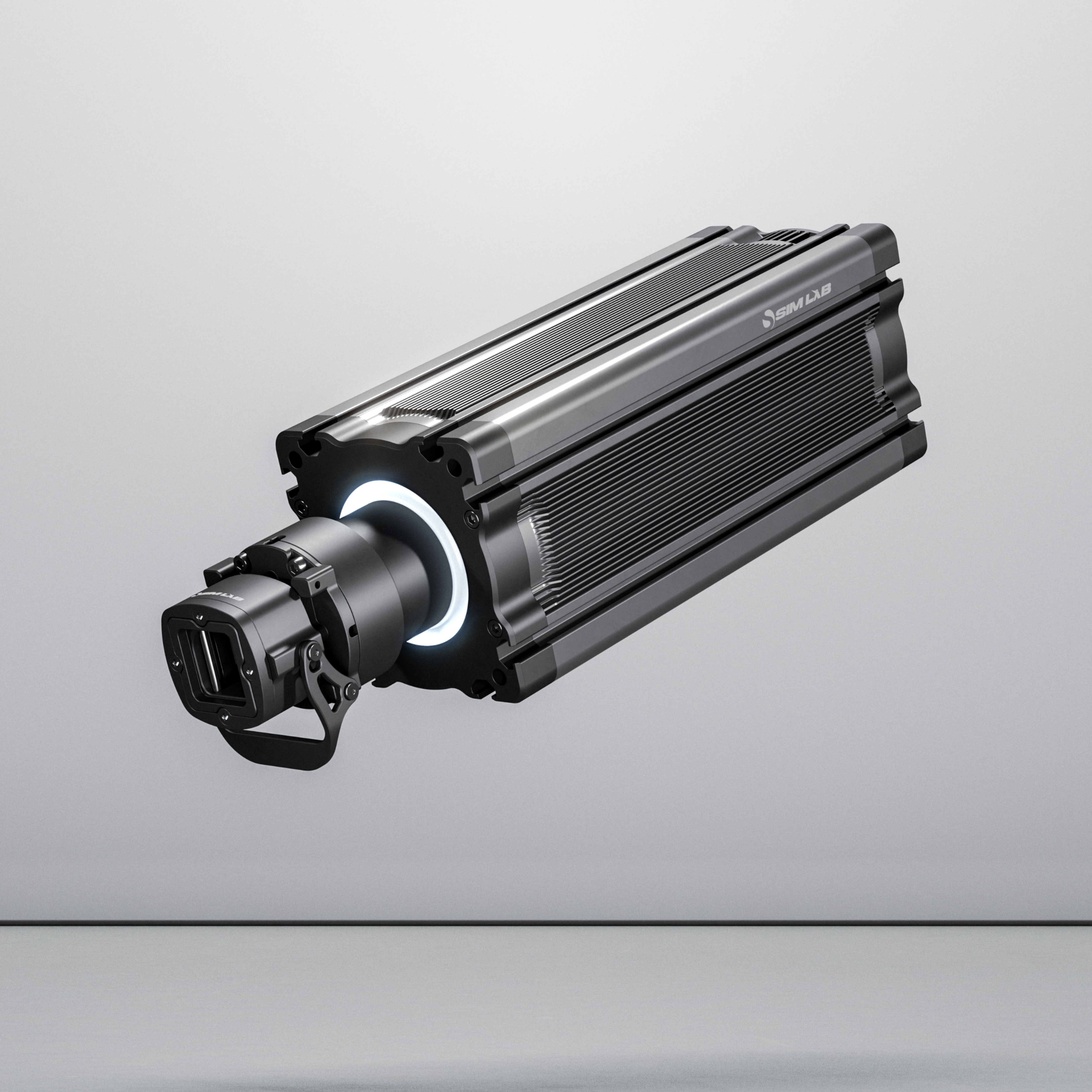
Simucube 3 Pro

€1.517,00
-12%

Simagic Alpha EVO Pro

Sale price€760,00 €859,77
-9%

Simagic Alpha EVO

Sale price€615,00 €675,27
-4%

Simagic Alpha EVO Sport

Sale price€470,00 €490,77
-7%

Simagic Alpha EVO Ultra

Sale price€1.120,00 €1.199,00

Simucube 3 Ultimate

€3.290,00

Simucube 3 Sport

€1.277,97
Pre-order late November
Returned by customer-16%

Simagic Alpha EVO Ultra - returned

Sale price€1.008,00 €1.199,00
No outer box-21%

Simagic Alpha EVO Sport - no outer box

Sale price€386,40 €490,77
Returned by customer-28%

Conspit ARES 12 CDR - returned

Sale price€437,10 €608,00

The wheelbase decides how much the car tells you

Every signal in sim racing - grip, weight transfer, kerbs, the first hint of a slide - reaches the driver through the wheelbase. Direct drive construction, with the wheel mounted straight on the motor, transfers those signals without belts or gears diluting them, which is why it has become the standard from first serious setups to professional simulators.

Choose by experience, not by maximum torque

Torque numbers are the easiest spec to compare and the easiest to overrate. A better starting point is honest self-placement: wheelbases for beginners (up to 12 Nm) cover the step up from belt or gear driven wheels, wheelbases for advanced sim racers (12-20 Nm) add the headroom regular racers feel in fast transitions, and wheelbases for professionals reach up to 35 Nm for training and esports use.

A wheelbase is a system purchase

Force feedback is only as good as what surrounds it: a steering wheel that fits the racing discipline, pedals that let braking match the new precision, and a cockpit rigid enough to keep the signal clean. Building in that order - wheelbase, mounting, pedals, wheel - avoids the most common first-rig mistakes.