Sim Racing Motion Systems
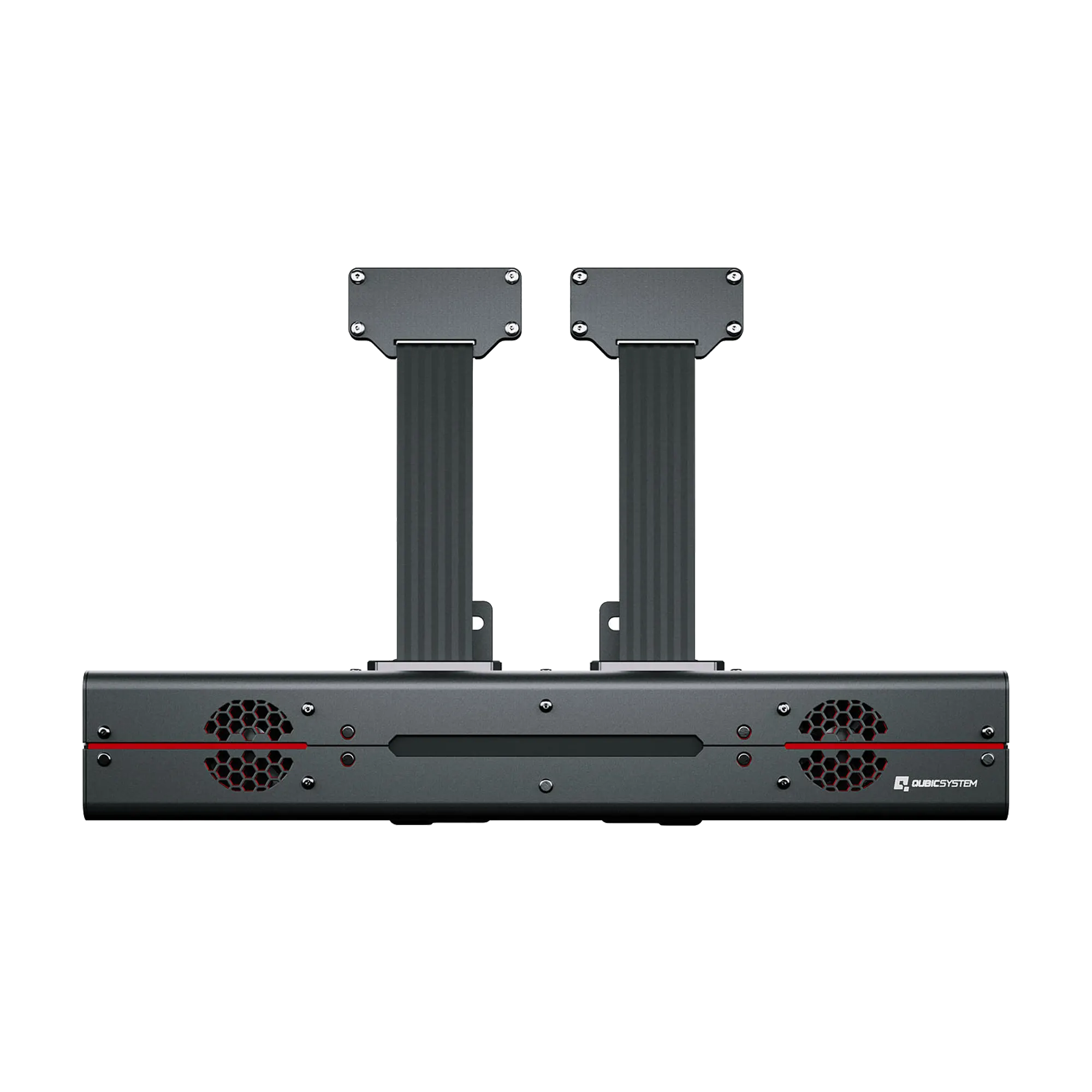
Qubic System QS-H13 seat mover
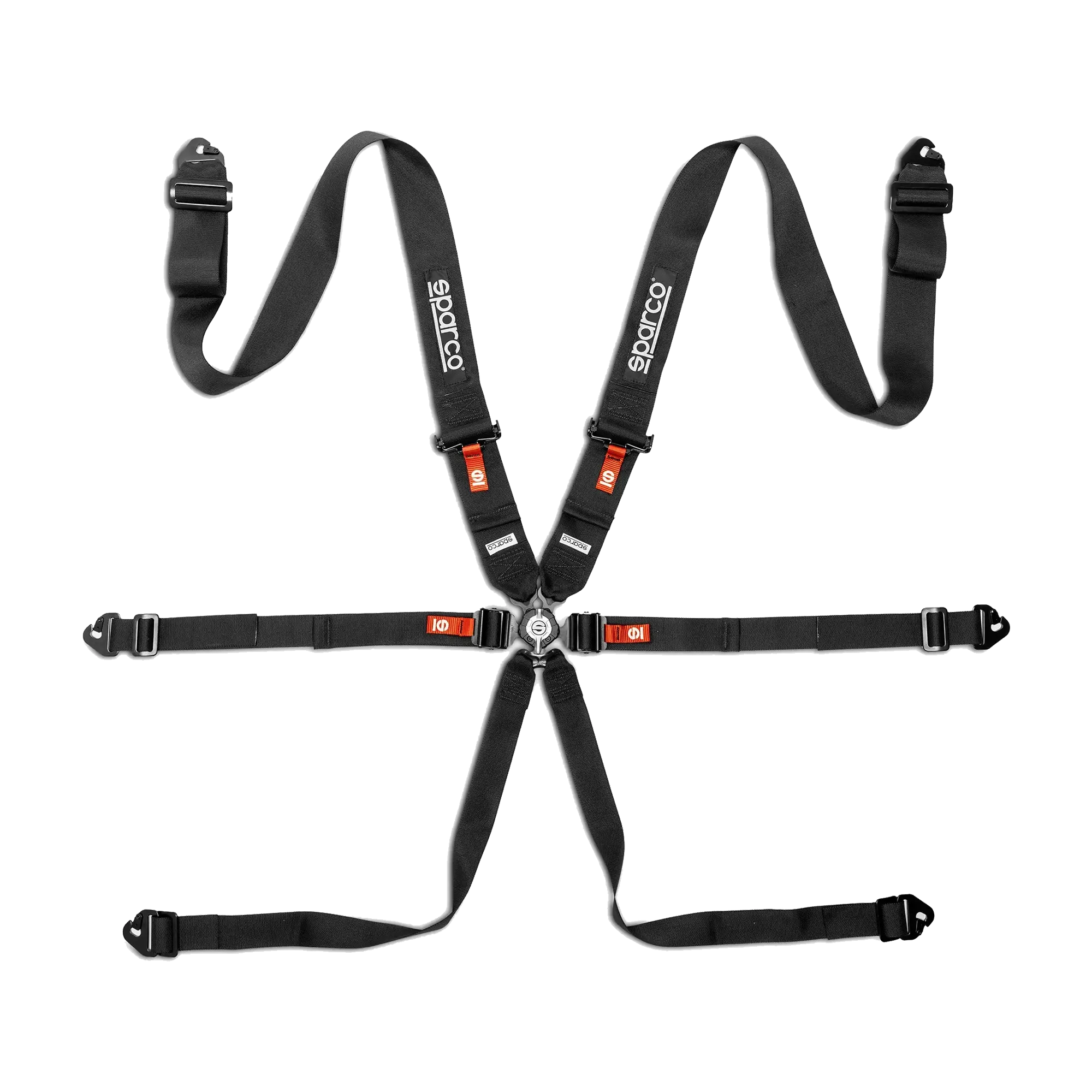
Qubic System QS-BT1 seat belt tensioner.
Qubic System QS-CH2 traction loss
Motion is a stack, not a single purchase
Sim racing immersion beyond force feedback comes in layers, and they add up rather than compete. Haptic feedback delivers the high-frequency detail - engine, kerbs, surface. Belt tensioning recreates sustained braking G-force through the harness. Seat movers put acceleration and weight transfer under the driver, and motion platforms move the entire rig. Most serious motion setups combine two or three layers.
Where to start
The practical order follows budget and footprint: haptics first for the biggest gain per euro, belt tension second for braking realism, then seat or full-rig motion when the space and the cockpit allow it. The electronics all run on PC, and the Qubic System hardware shares one software - QubicManager - so the layers stay coordinated.
Mind the foundation
Every motion layer pushes against the cockpit, so rigidity requirements climb with each addition - motion-ready builds start from the aluminium profile cockpits and the heaviest systems assume the flagship platforms. Product pages carry the verified mounting, seat and harness requirements.
What does a motion system actually add?
Physical cues your body otherwise has to imagine: weight transfer under braking and acceleration, curb strikes, surface texture, the rear stepping out. Beyond immersion, those cues arrive faster than visual information - many drivers catch slides earlier with motion because they feel the rotation before they see it.
Motion system or tactile transducers (Buttkicker)?
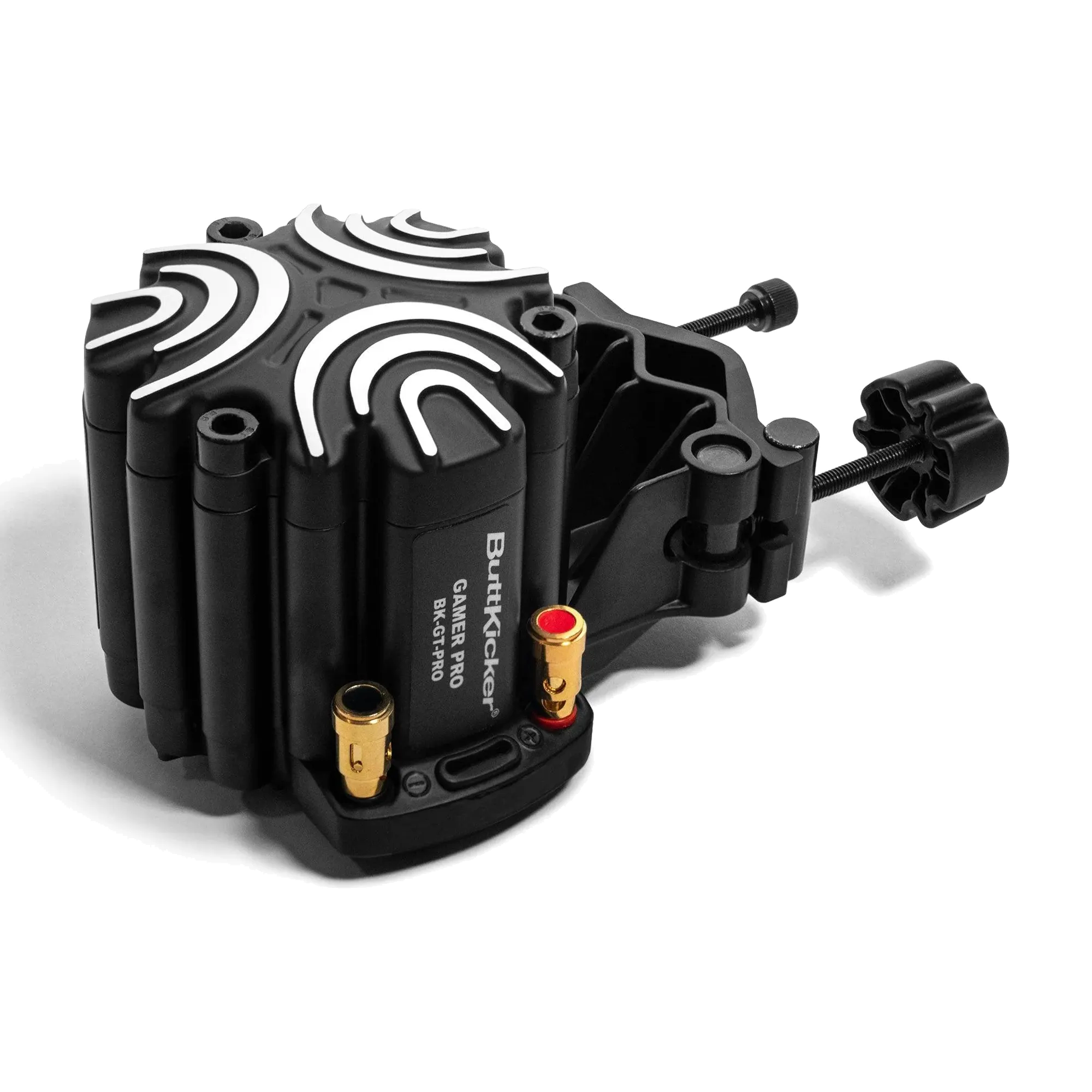
Different layers: tactile transducers vibrate the rig - engine, curbs, gear shifts - at a fraction of the price, while a motion system physically moves you, reproducing G-cues and chassis rotation. They are not rivals; a common path is starting with tactile and adding motion later - the combination is stronger than either alone.
What rig do I need for a motion system?
A rigid aluminium profile cockpit - the actuators move the entire rig with you and your hardware on it, so chassis flex would soften every cue. Plan mounting points per the manufacturer's template, a bit of clearance around the rig for movement, and a mains outlet nearby. We verify cockpit compatibility for any combination on request.
Which games support motion?
All the major PC sims - iRacing, Assetto Corsa and ACC, rFactor 2, Automobilista 2, dirt and rally titles - expose the telemetry that motion software reads, so support is broad. The motion platform's software translates that telemetry into actuator movement with per-game profiles.
Is motion worth it, or should I upgrade something else first?
Honest ordering: solid direct drive base, load cell brake and rigid cockpit first - those carry the fundamentals of car control. Motion is the layer on top, and it transforms the experience once the foundation is right. If you are at that point, it is the single biggest immersion jump available; if not, spend there first and come back.