Save 2%

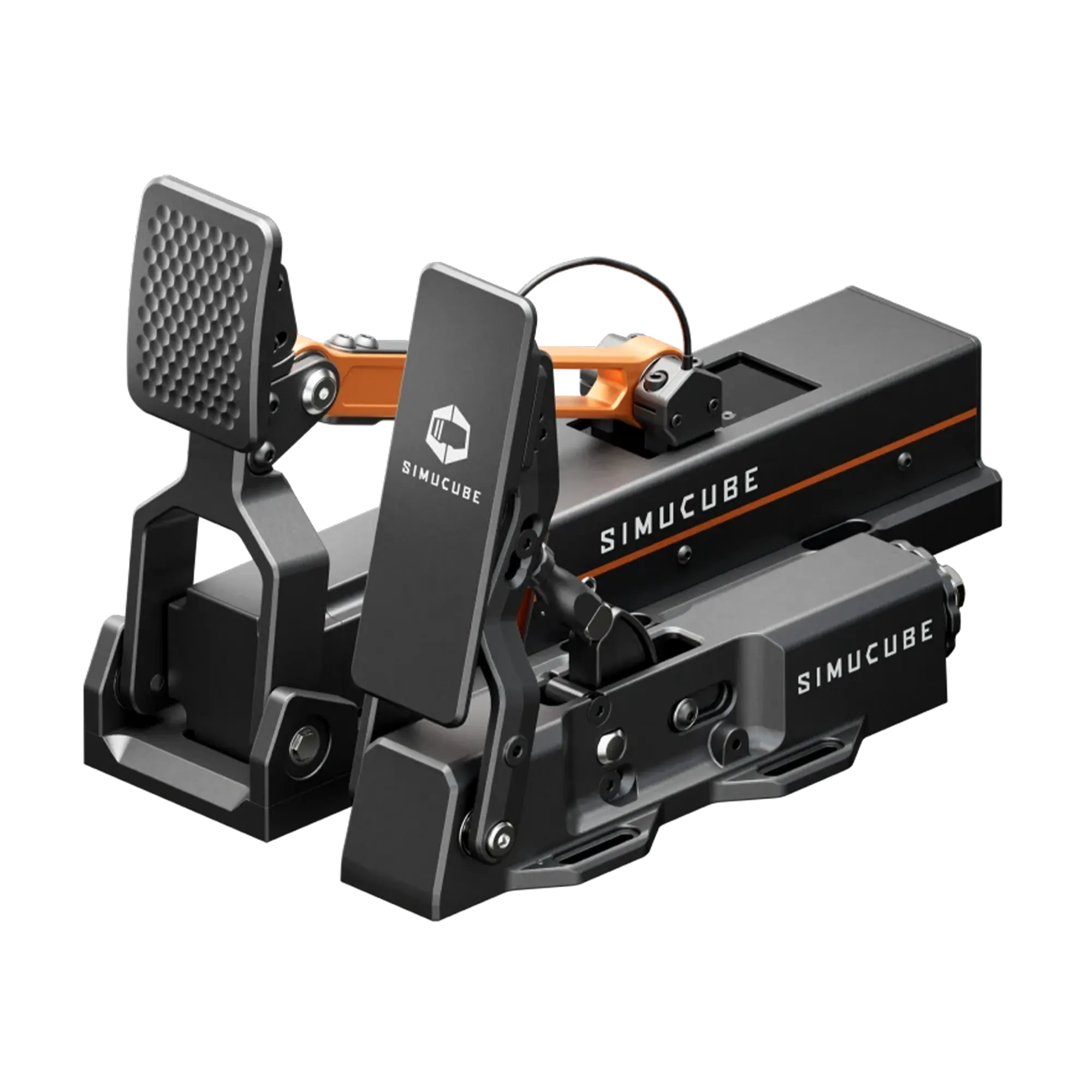
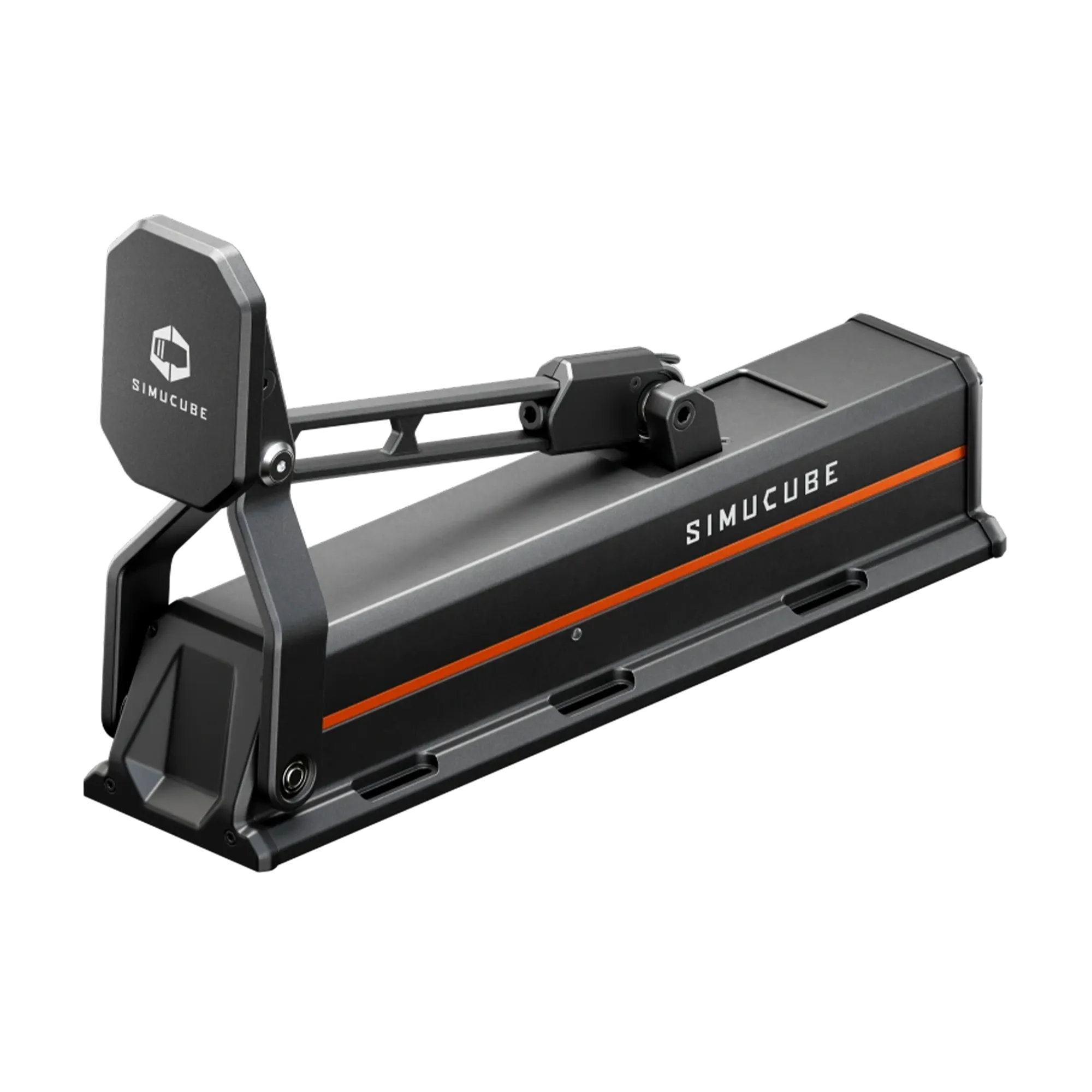
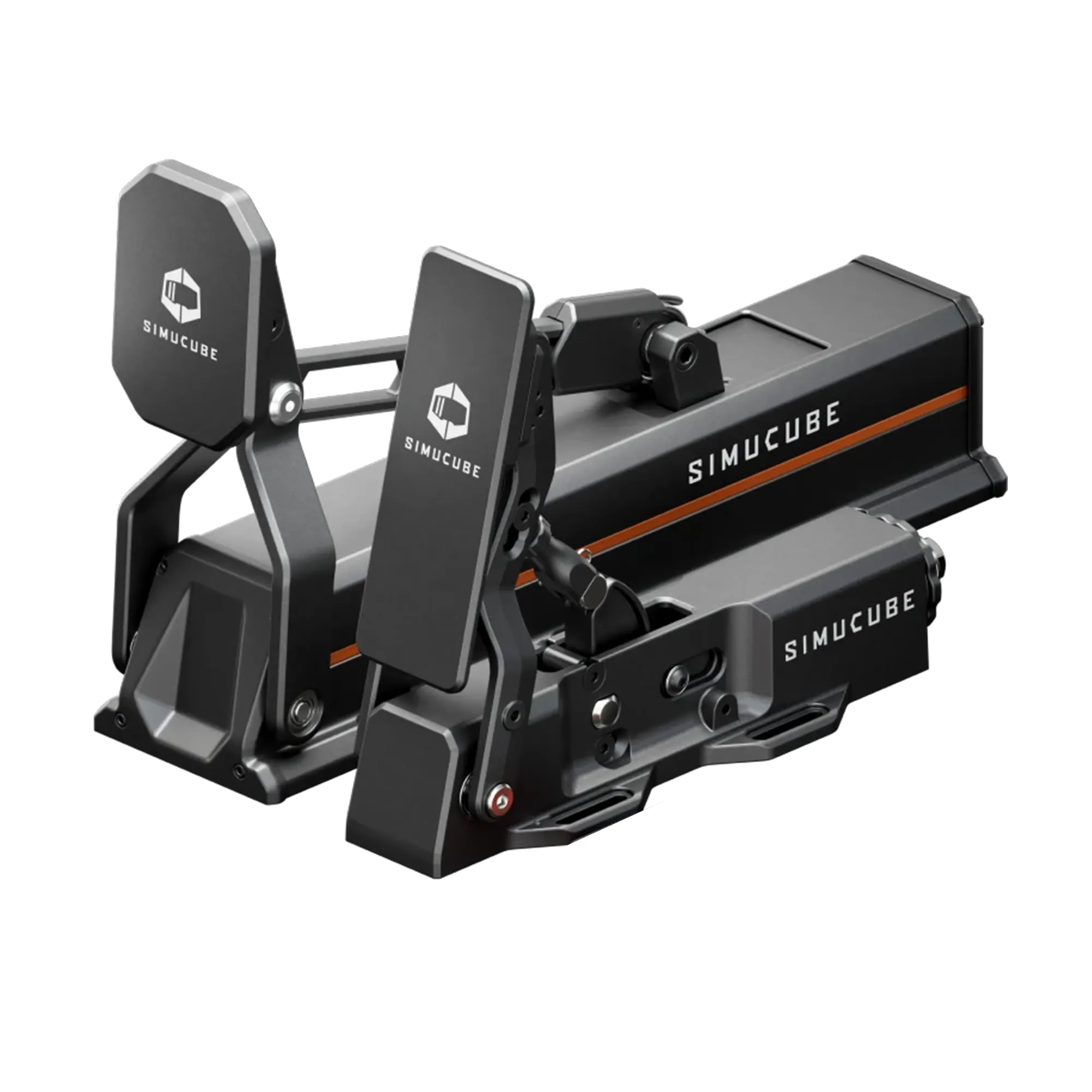
Simucube ActivePedal Pro + Co-Pedal

Sale priceFrom €2.016,41Regular price €2.057,56
Save 2%

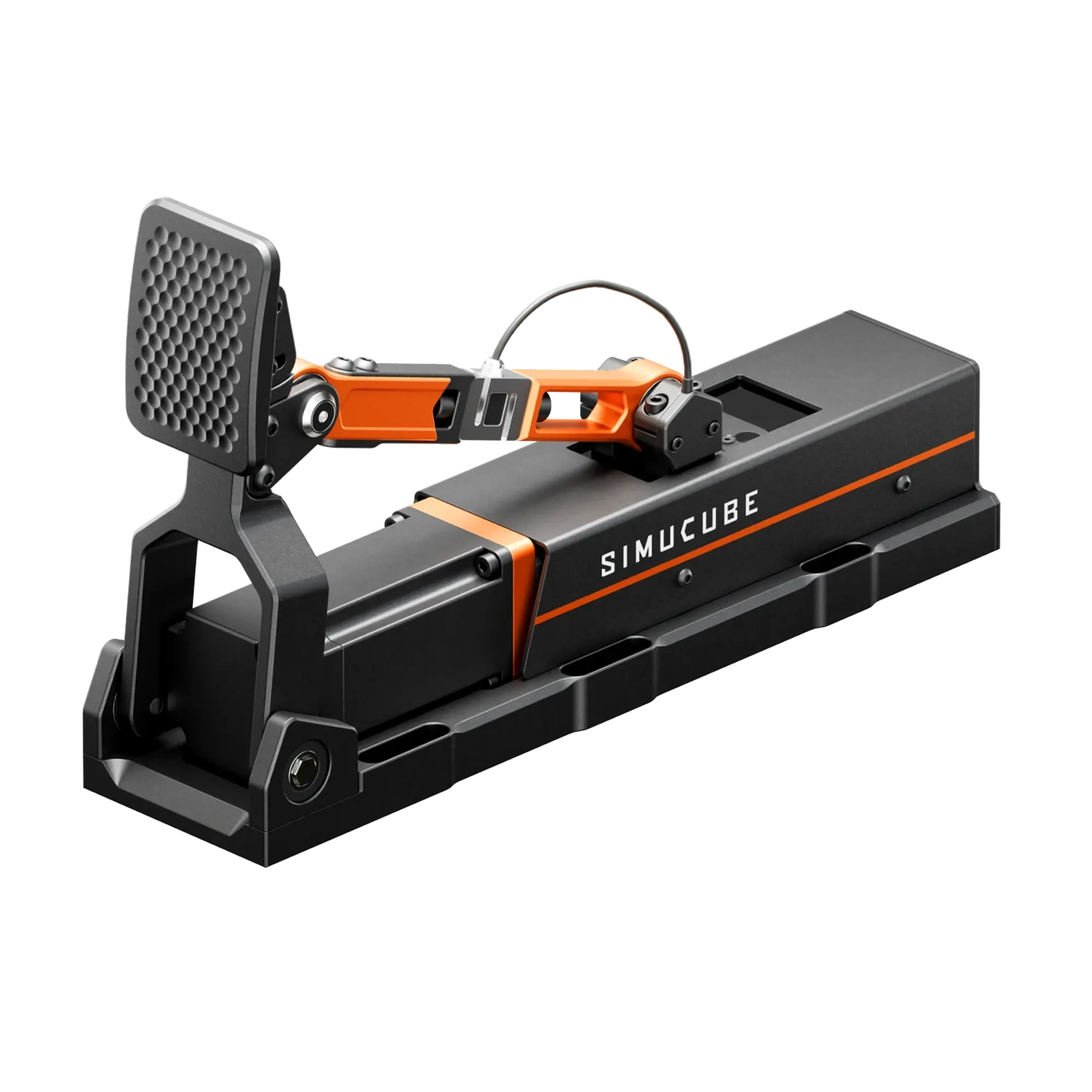
Simucube ActivePedal Ultimate + Co-Pedal

Sale priceFrom €2.765,99Regular price €2.822,44
Save 5%

Simucube ActivePedal Ultimate brake + ActivePedal Pro throttle

Sale price€3.976,84Regular price €4.186,15
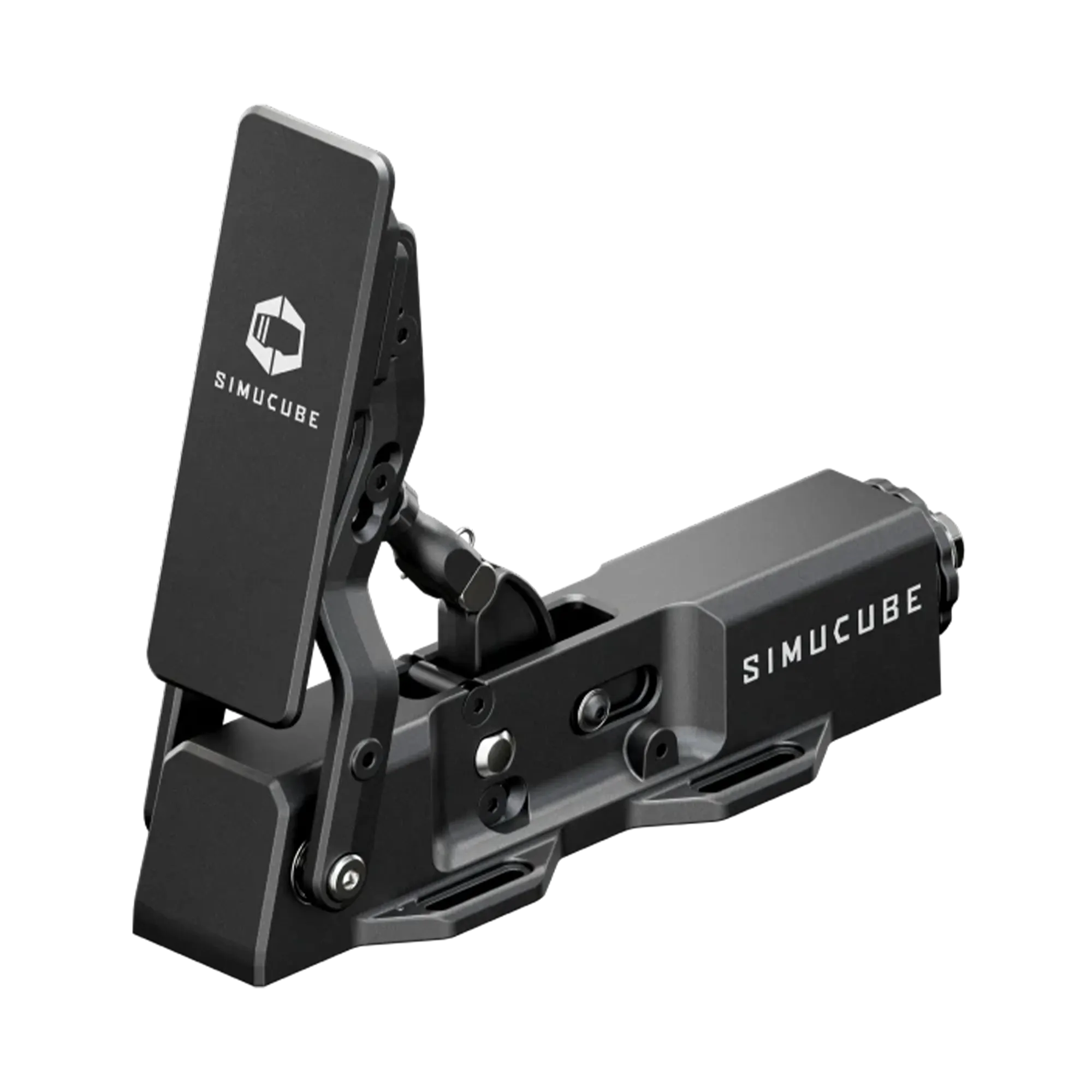
Simucube Co-Pedal

€375,61
Save 10%

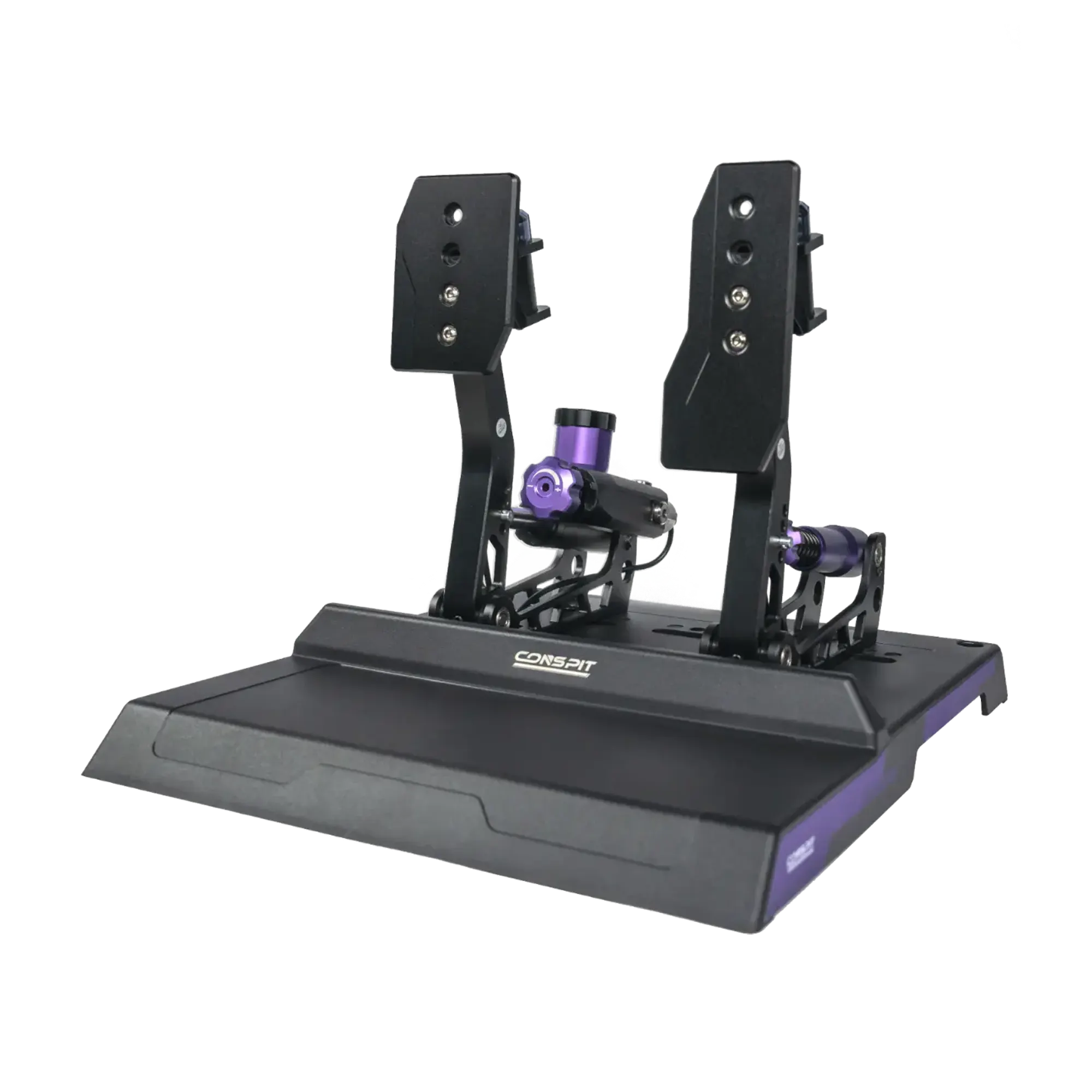
Conspit CPP LITE hydraulic pedals

Sale priceFrom €546,34Regular price €603,90
Save 11%
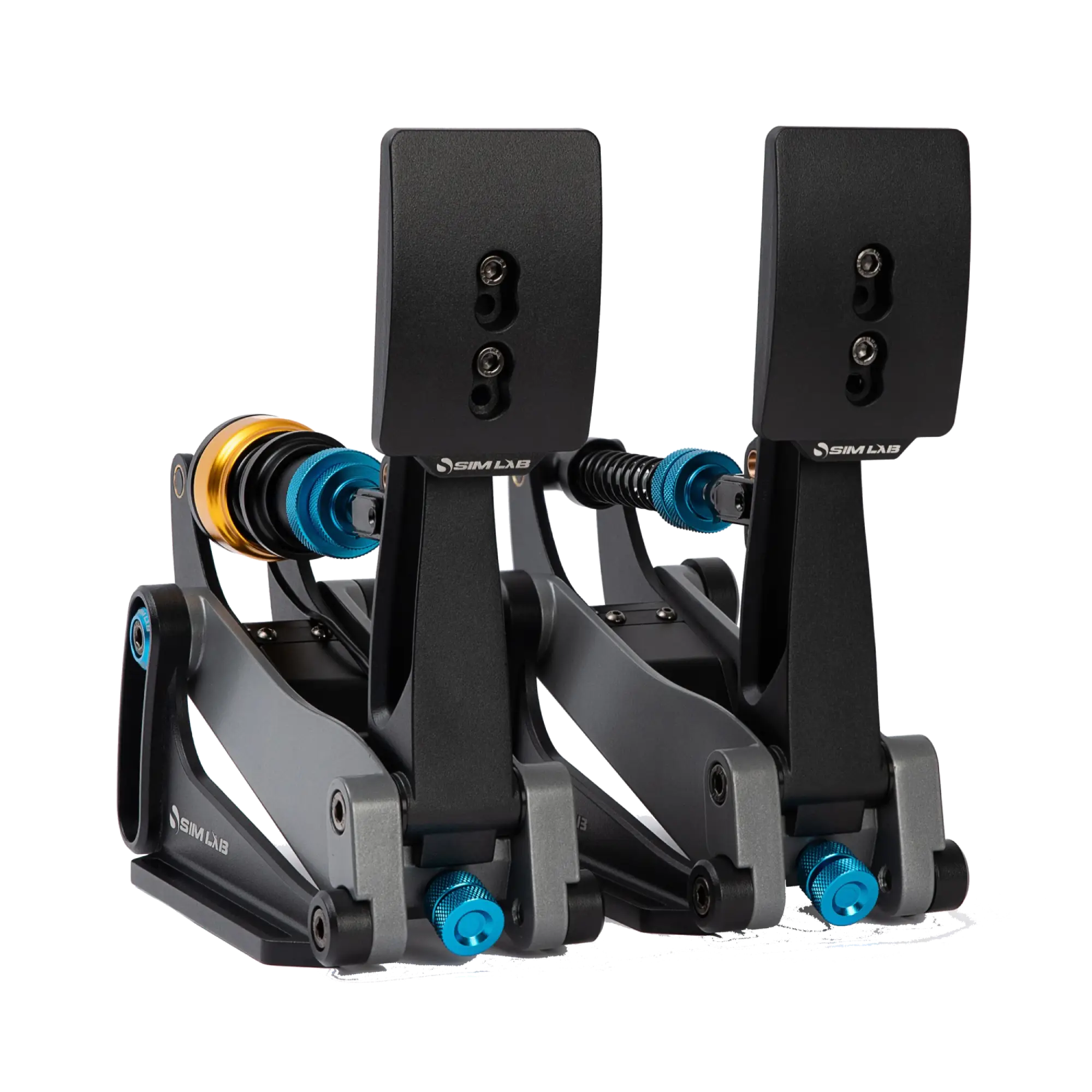
Sim-Lab XP1 Loadcell pedals

Sale priceFrom €401,95Regular price €450,73
Used productSave 46%
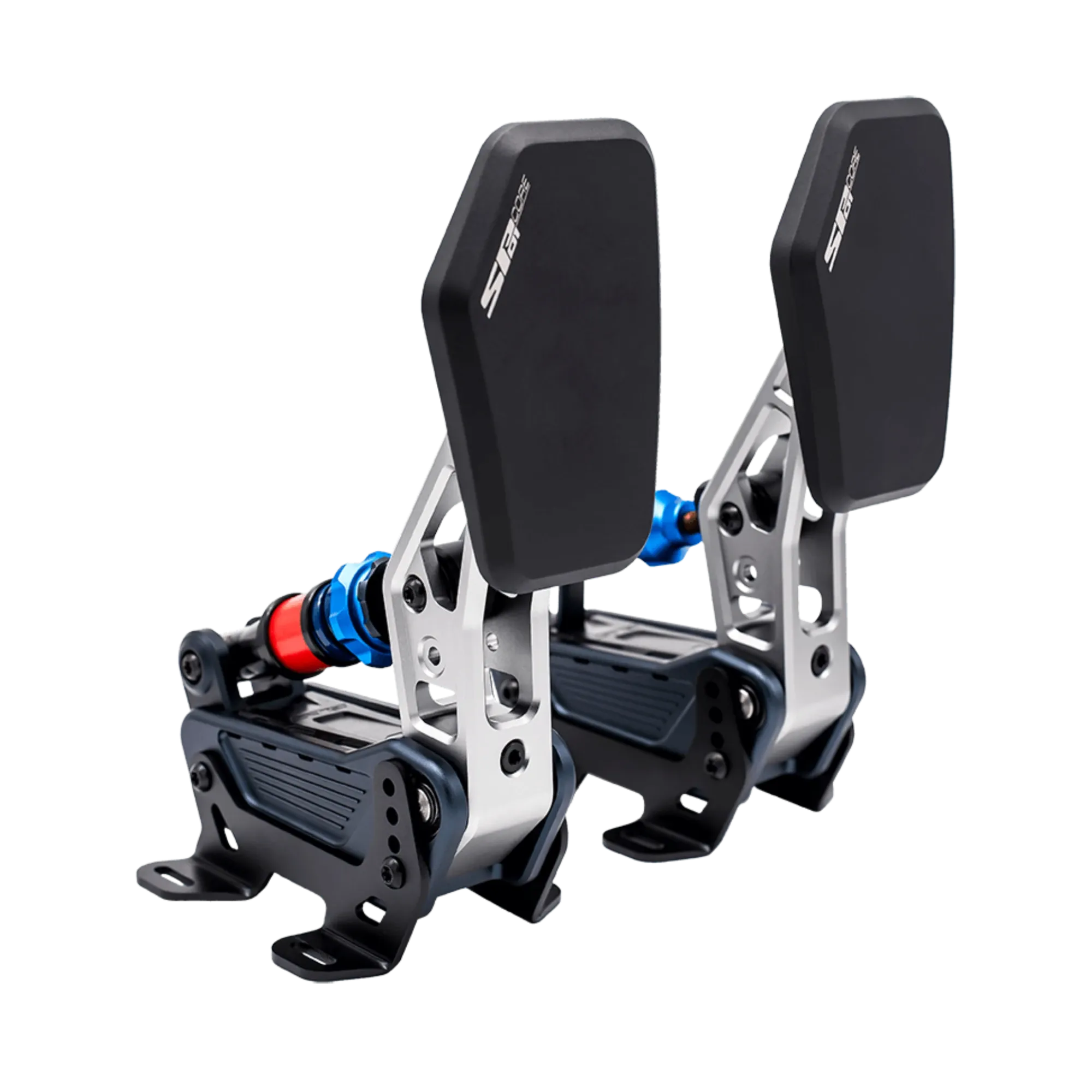
Cube Controls SP01 Core - used

Sale price€468,29Regular price €873,60
Save 13%
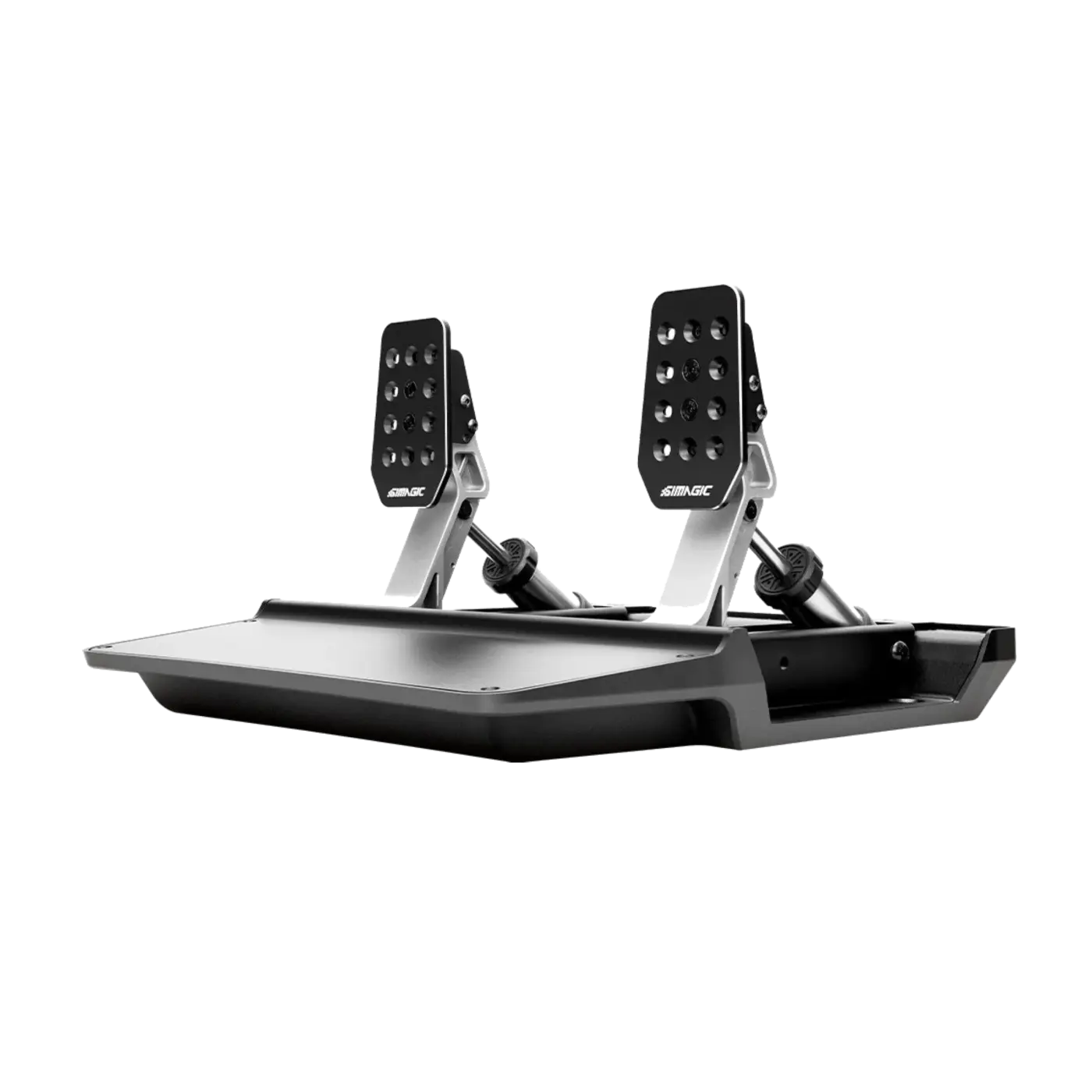
Simagic P500

Sale price€161,95Regular price €185,36
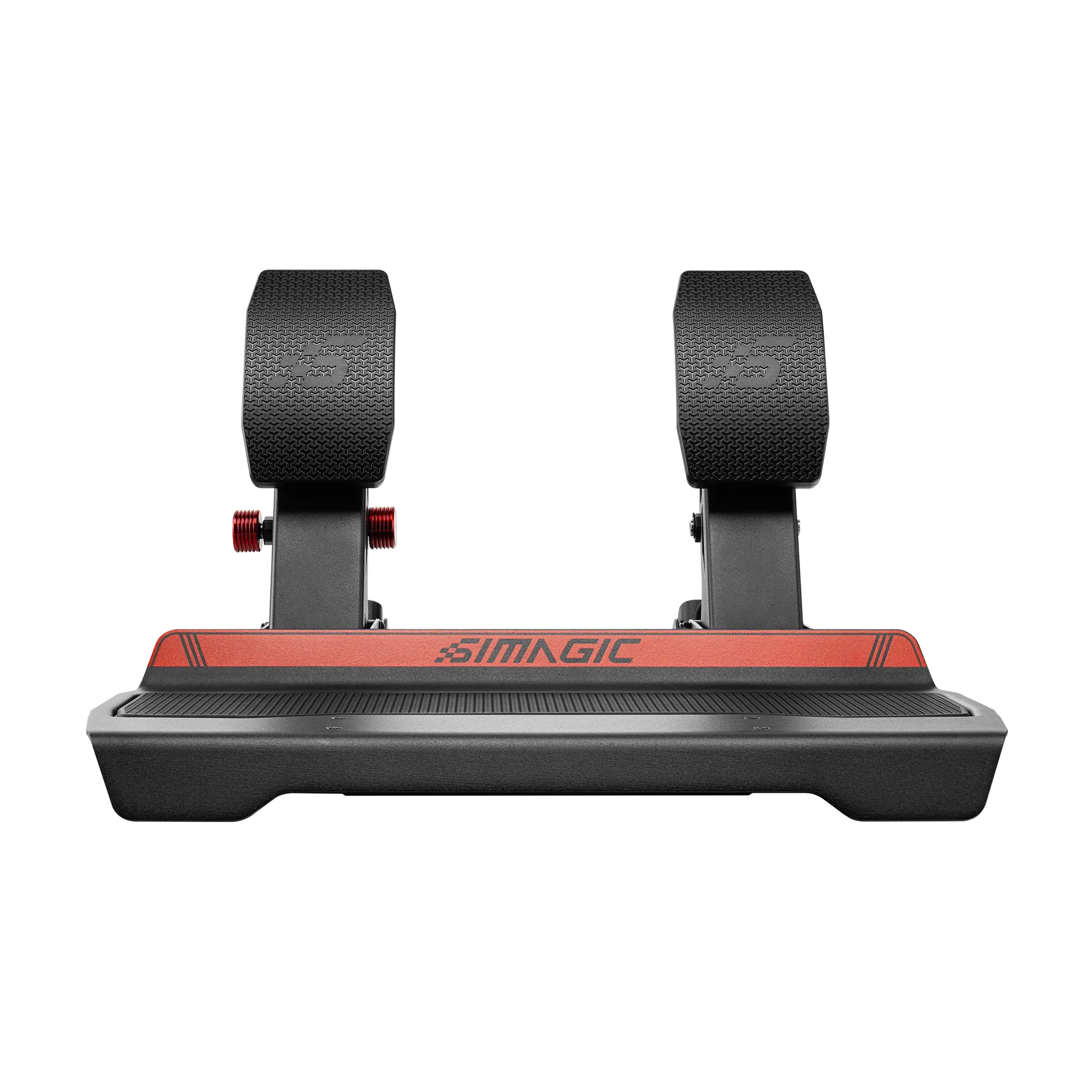
Simagic P700

From €71,12
Save 8%

Simagic P1000 Pedals

Sale priceFrom €468,29Regular price €507,31
Save 5%

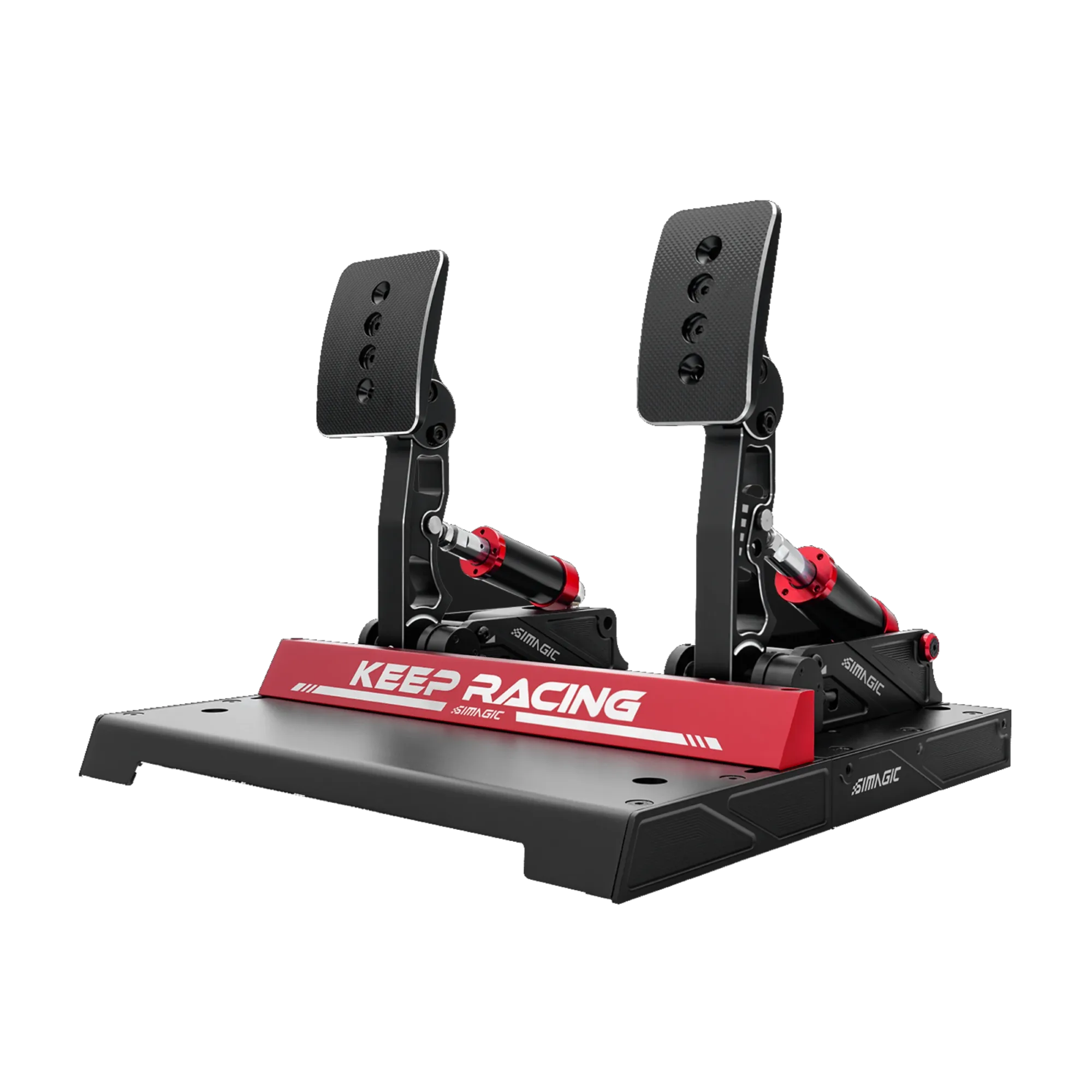
Simagic P2000 - S200R(F)

Sale priceFrom €680,98Regular price €718,84
Save 15%
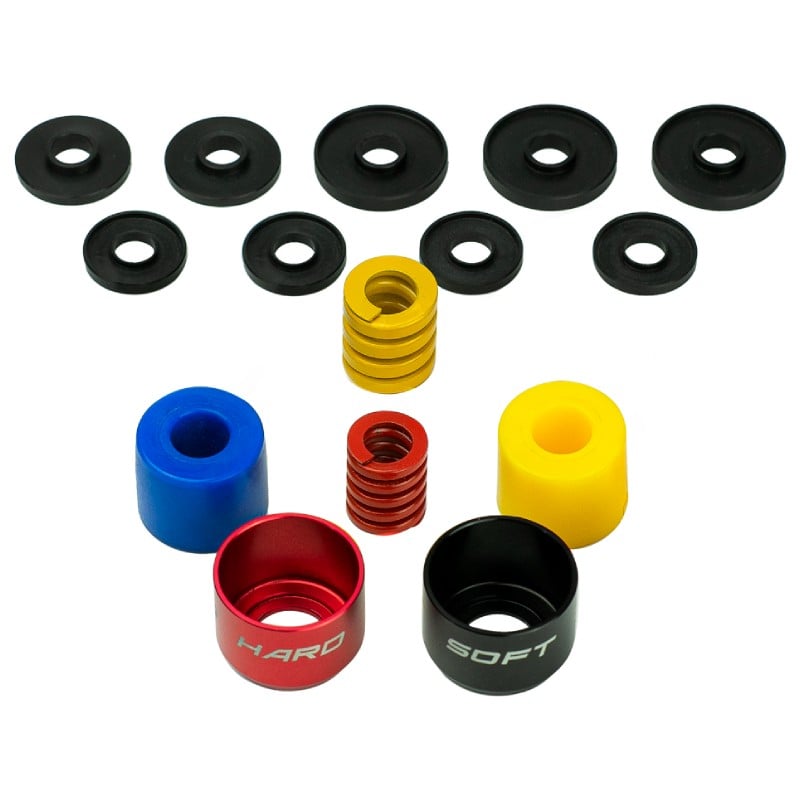
Cube Controls SP01 Performance Kit

Sale price€61,10Regular price €71,88

Braking is where lap time lives

Ask any coach: consistency under braking separates drivers faster than any hardware upgrade elsewhere on the rig. Pedals decide it, because they define what the driver's foot actually learns - position on a spring, pressure on a load cell, or the damped resistance of a hydraulic circuit.

Four technologies in one collection

Entry sets measure pedal position, load cell pedals measure braking force the way a real car does, hydraulic systems add progressive damped feel, and active pedals generate force feedback in the pedal itself - ABS pulsing, traction control, lockups. The collection spans all four, which is why the levels matter: pedals for beginners focus on the jump to force-based braking, pedals for advanced sim racers on stiffness and adjustability, and pedals for professionals on hydraulic flagships and active systems.

Mounting decides half the result

A load cell brake set to realistic pressures pushes back with real force - on a flexing mount, precision drains away before it reaches the sensor. Pedals and cockpit belong in the same decision, and hard-braking setups justify a rigid frame early.

FAQs

Load cell, Hall sensor or hydraulic - what is the difference?

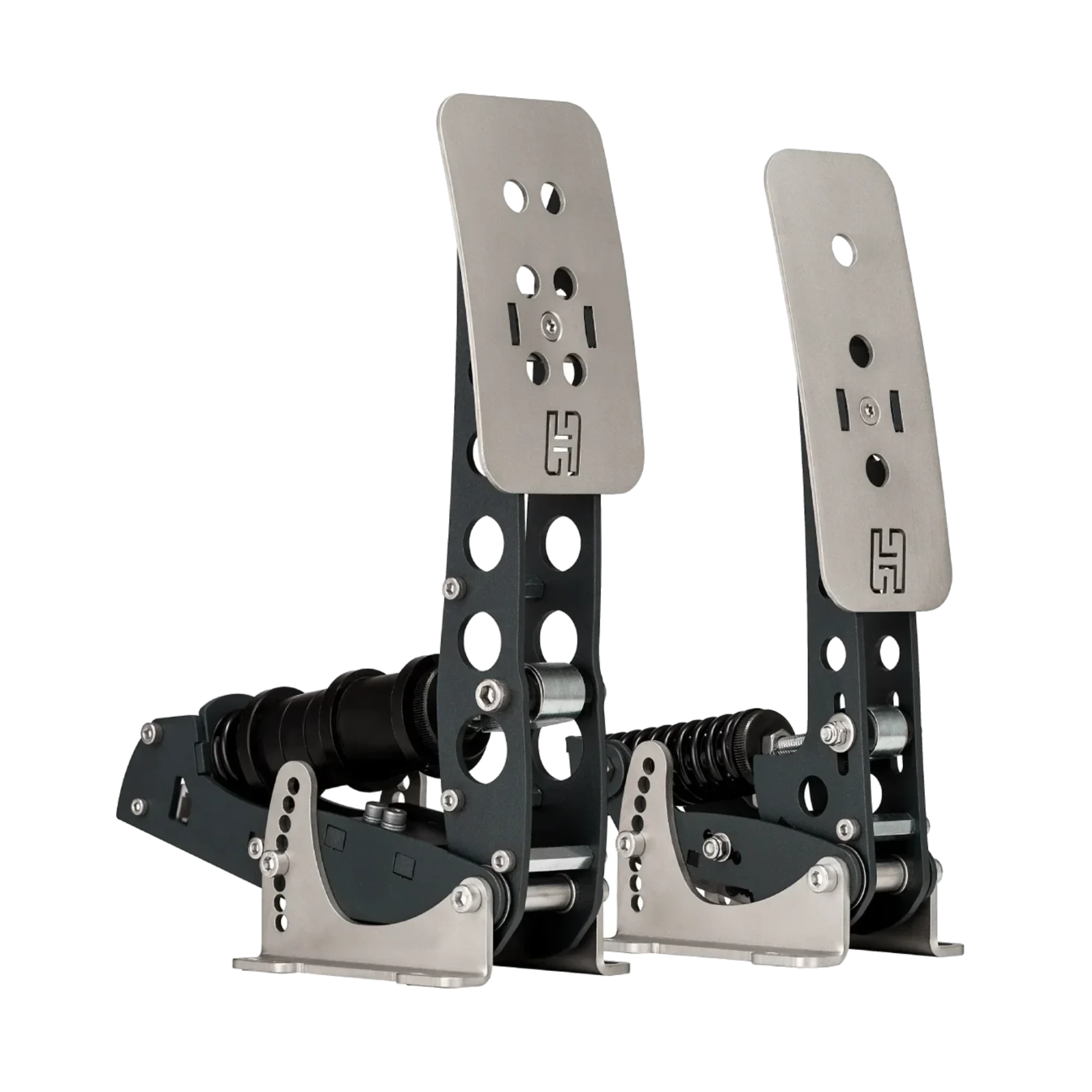
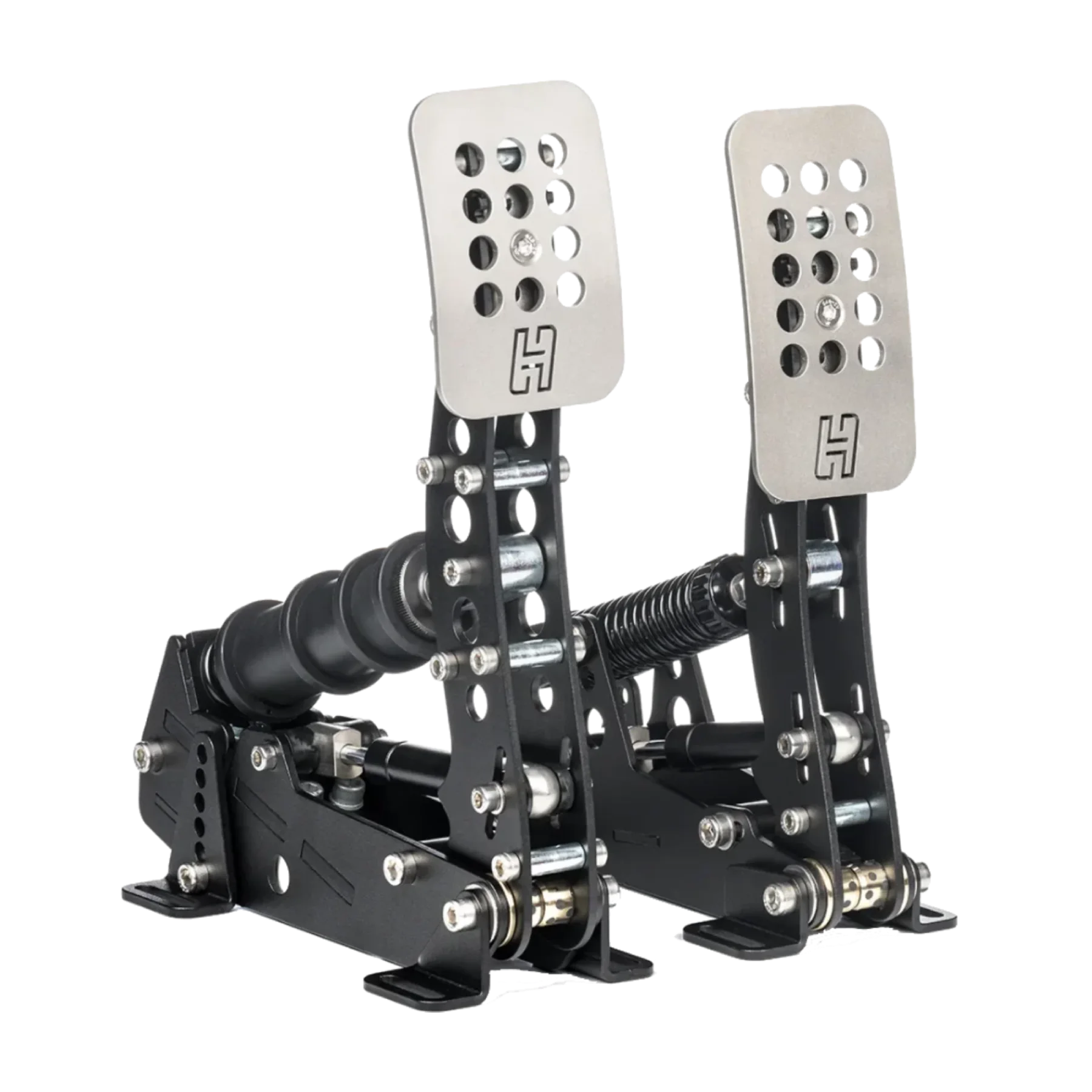
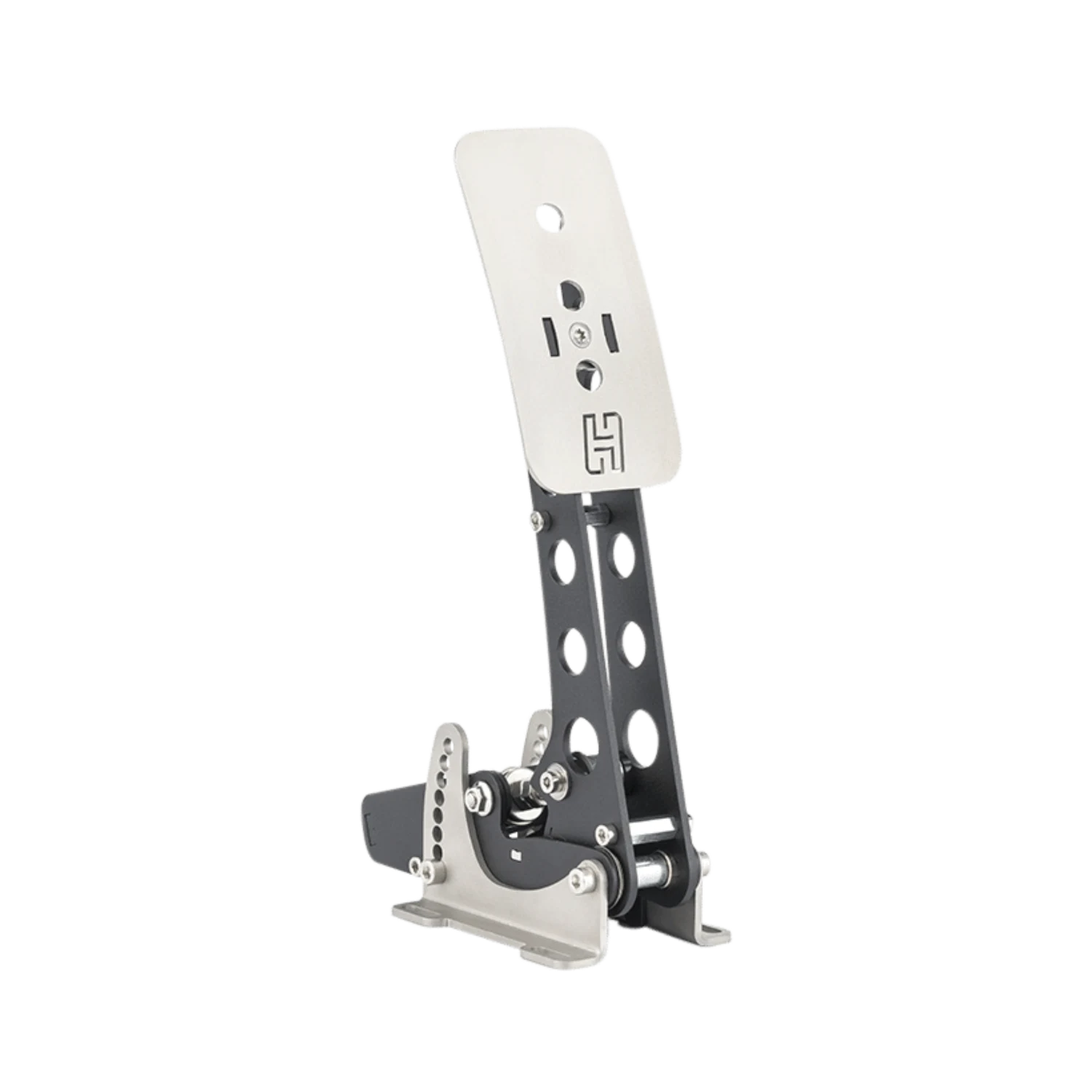
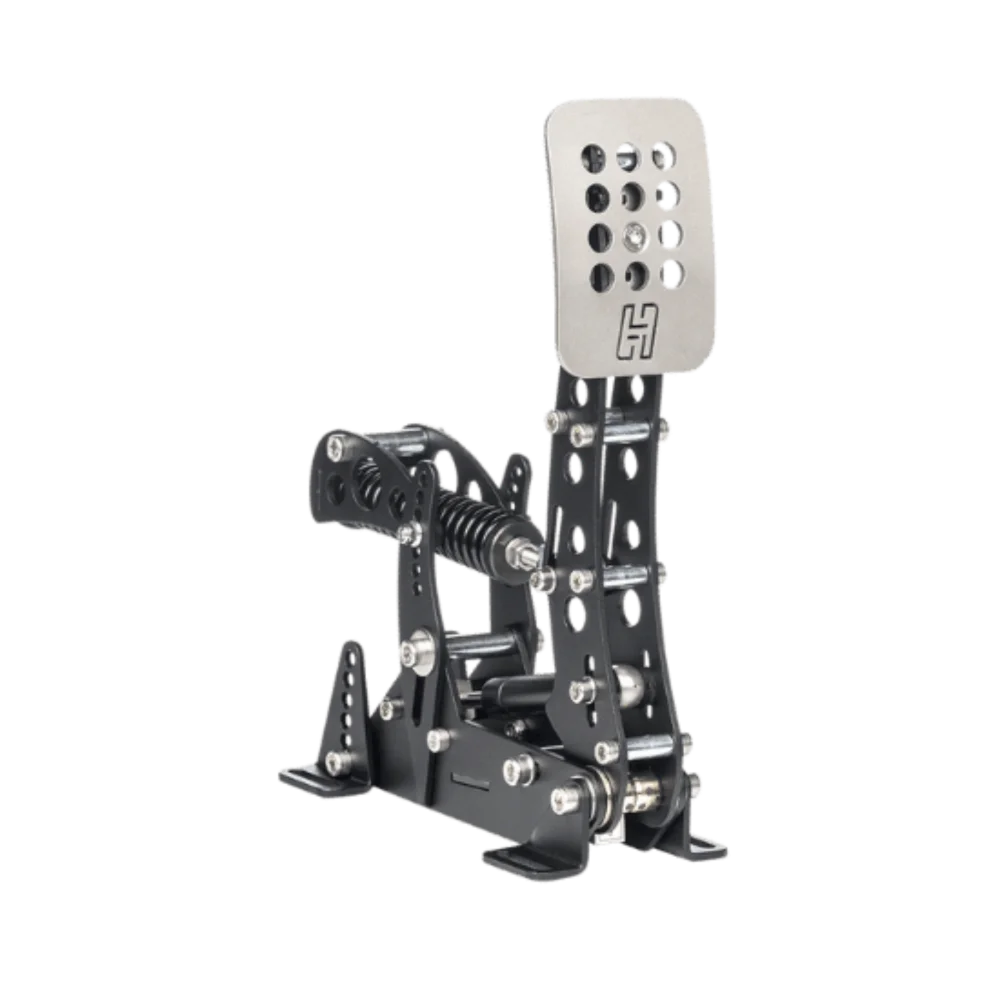
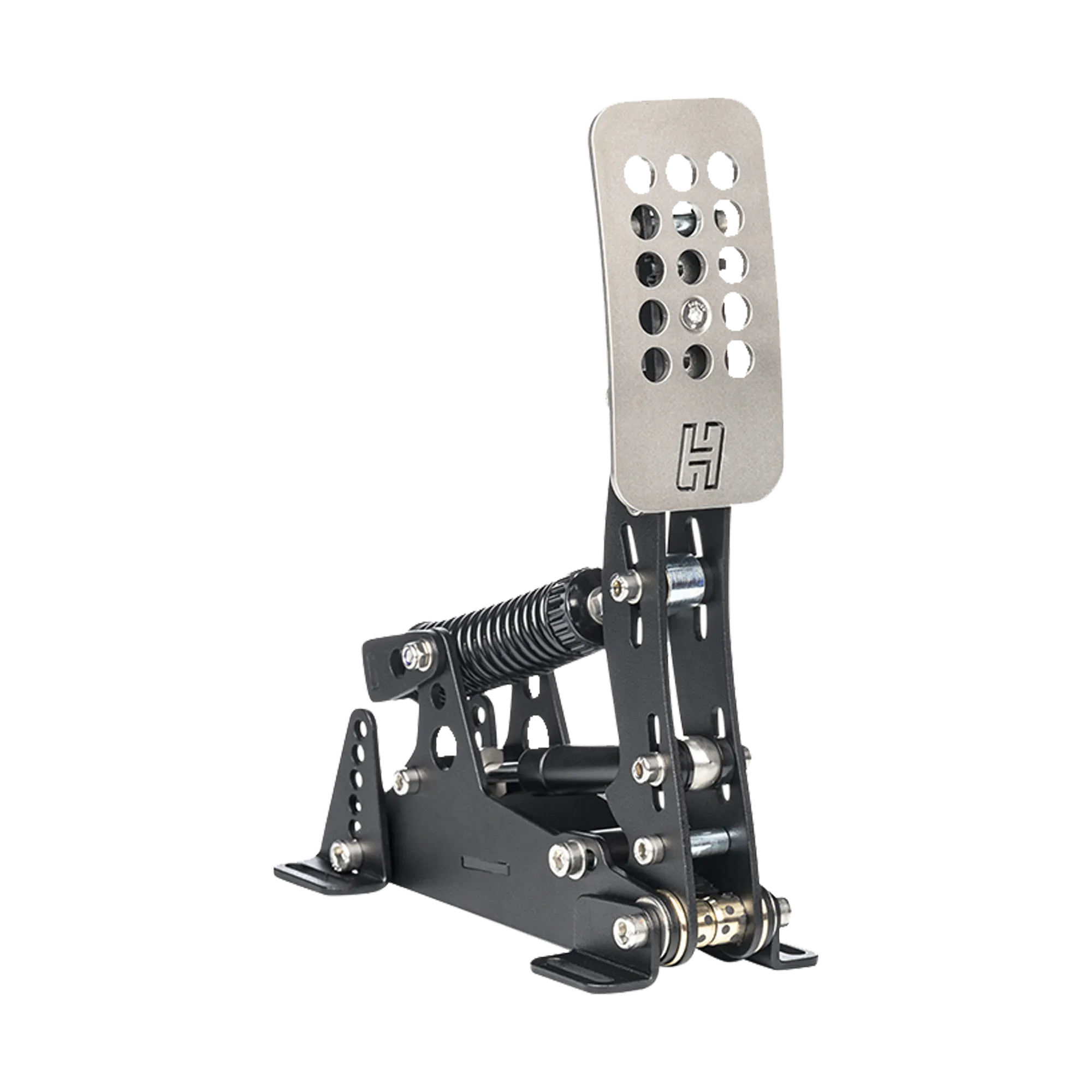
Hall sensors measure position (how far you press) - fine for throttle and clutch. A load cell measures force (how hard you press), which is how real braking works and what builds muscle memory - see the Heusinkveld Sprint. Hydraulic systems like the Simagic P2000 or Conspit CPP LITE add real fluid damping on top for the densest, most car-like pedal feel.

What is an active pedal?

The top of the category: an electric motor replaces springs and elastomers entirely, so travel, stiffness and force curve are software profiles - and telemetry plays physically into your foot (ABS pulsing, lockup, traction control). The Simucube ActivePedal Pro and Ultimate pioneered the class.

Do pedals work with any wheelbase brand?

Yes - pedals connect to the PC over USB as independent controllers, so you can freely mix brands: a Simucube base with Heusinkveld pedals, a Simagic base with Conspit pedals, any combination. The wheelbase brand only matters if you want single-cable routing through the base, which some ecosystems offer as a bonus.

How much brake force do I need?

For reference: a road car needs about 4 kg of pedal force for maximum braking; race cars run far stiffer. Most sim racers settle between 20 and 60 kg - enough for consistency without fatigue - which every load cell set here covers. The 100-170 kg ceilings of flagship pedals are about headroom and training at genuine motorsport stiffness. Whatever you choose, mount it on a rigid pedal deck.

Do I need two or three pedals?

Two (throttle + brake) covers modern racing with paddle shifting - GT3, formula, prototypes. The clutch earns its place for H-pattern classics, drifting, rally and standing starts. Most sets here are sold in both configurations, and several (Simagic P500, Simucube Co-Pedal setups) let you add the third pedal later.