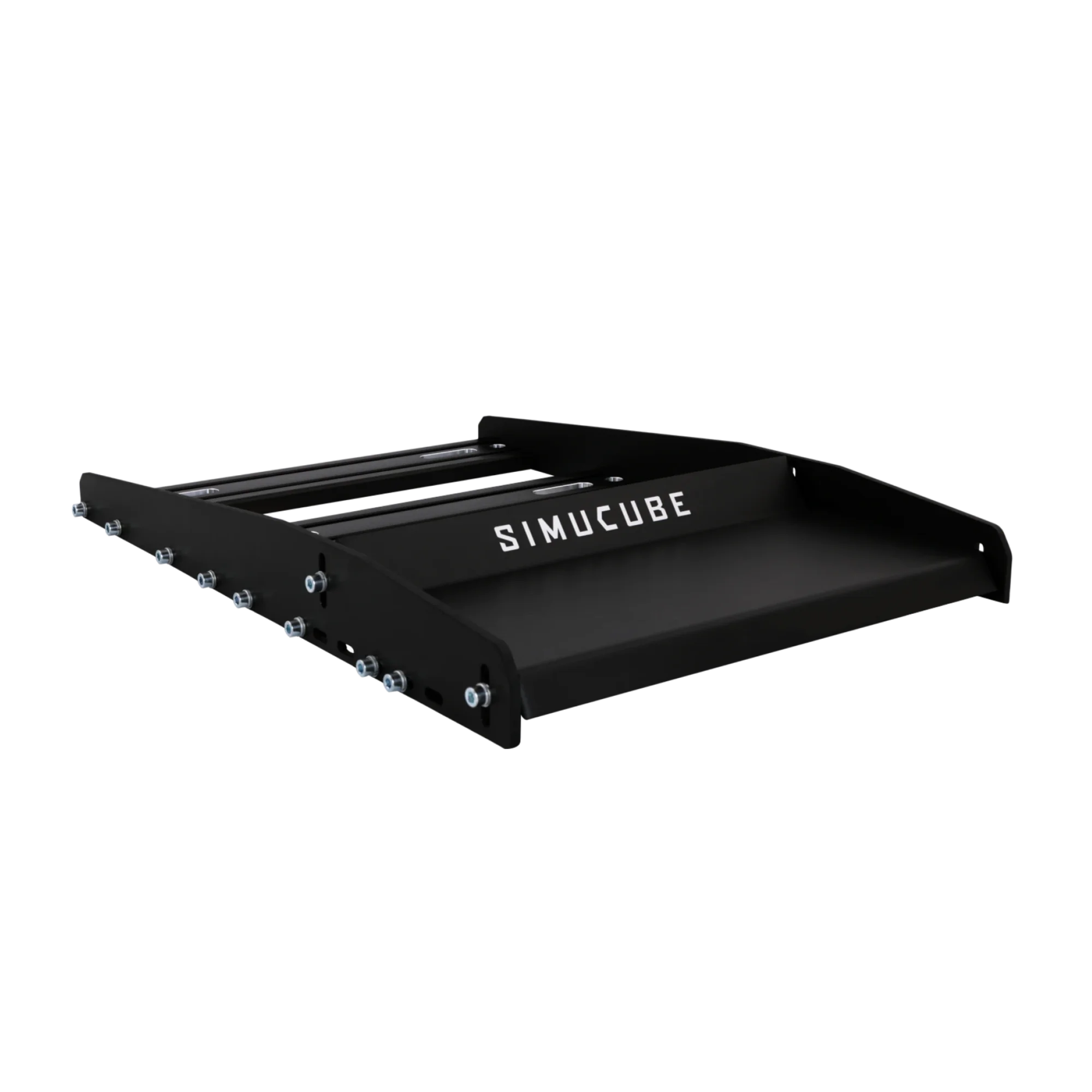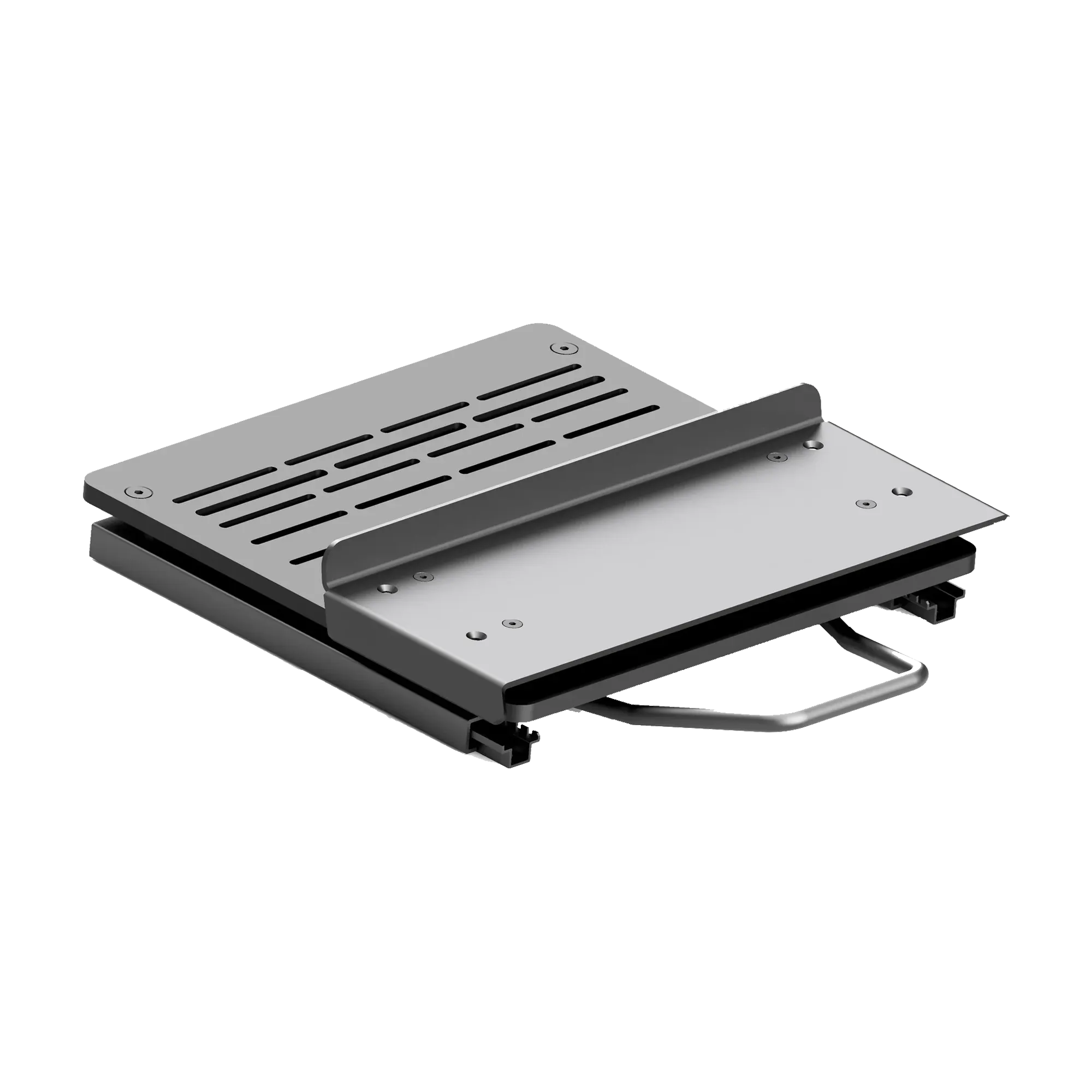

Simucube Baseplate

€191,22
Save 6%

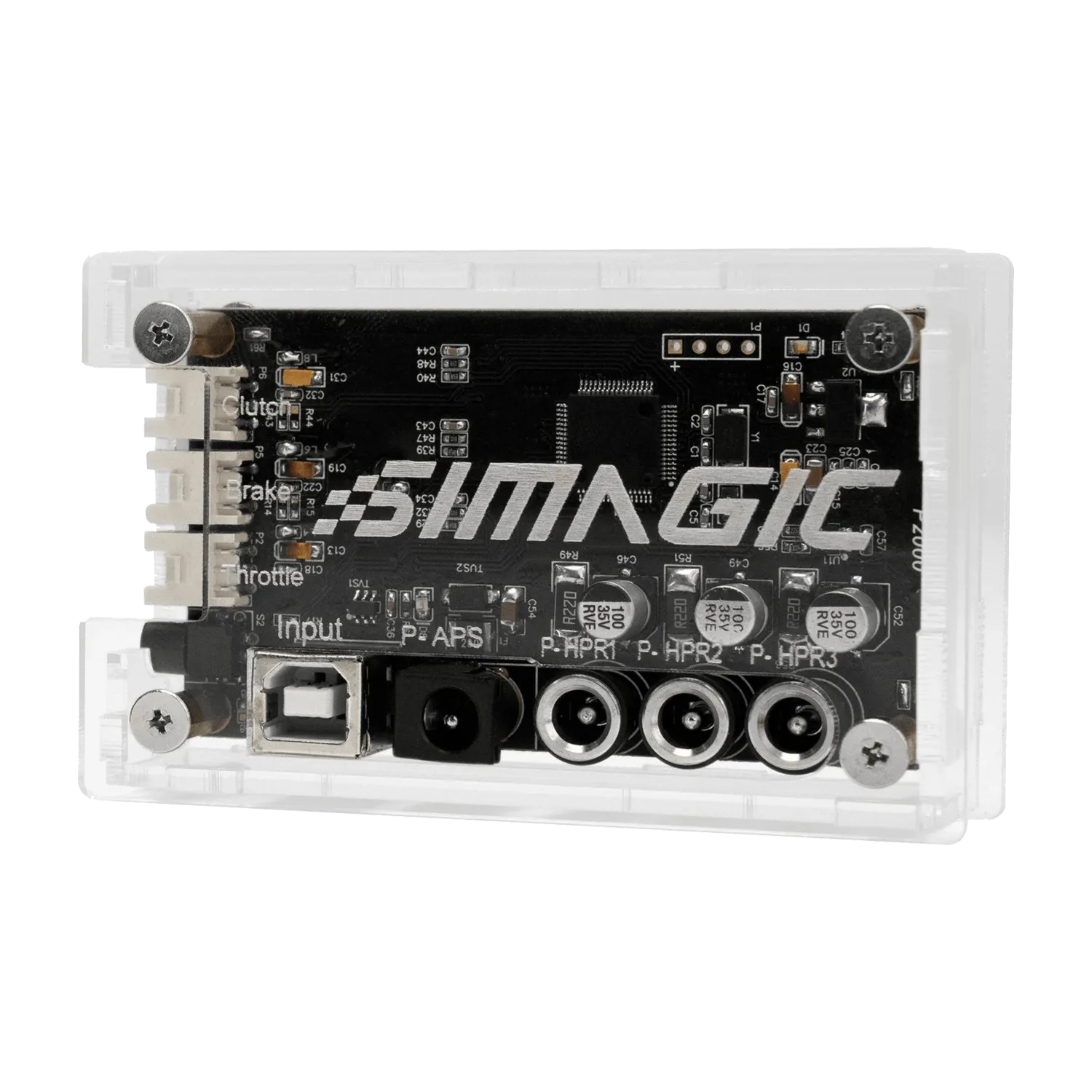
Simagic P-APS Power Supply

Sale price€28,30Regular price €30,00
Save 20%
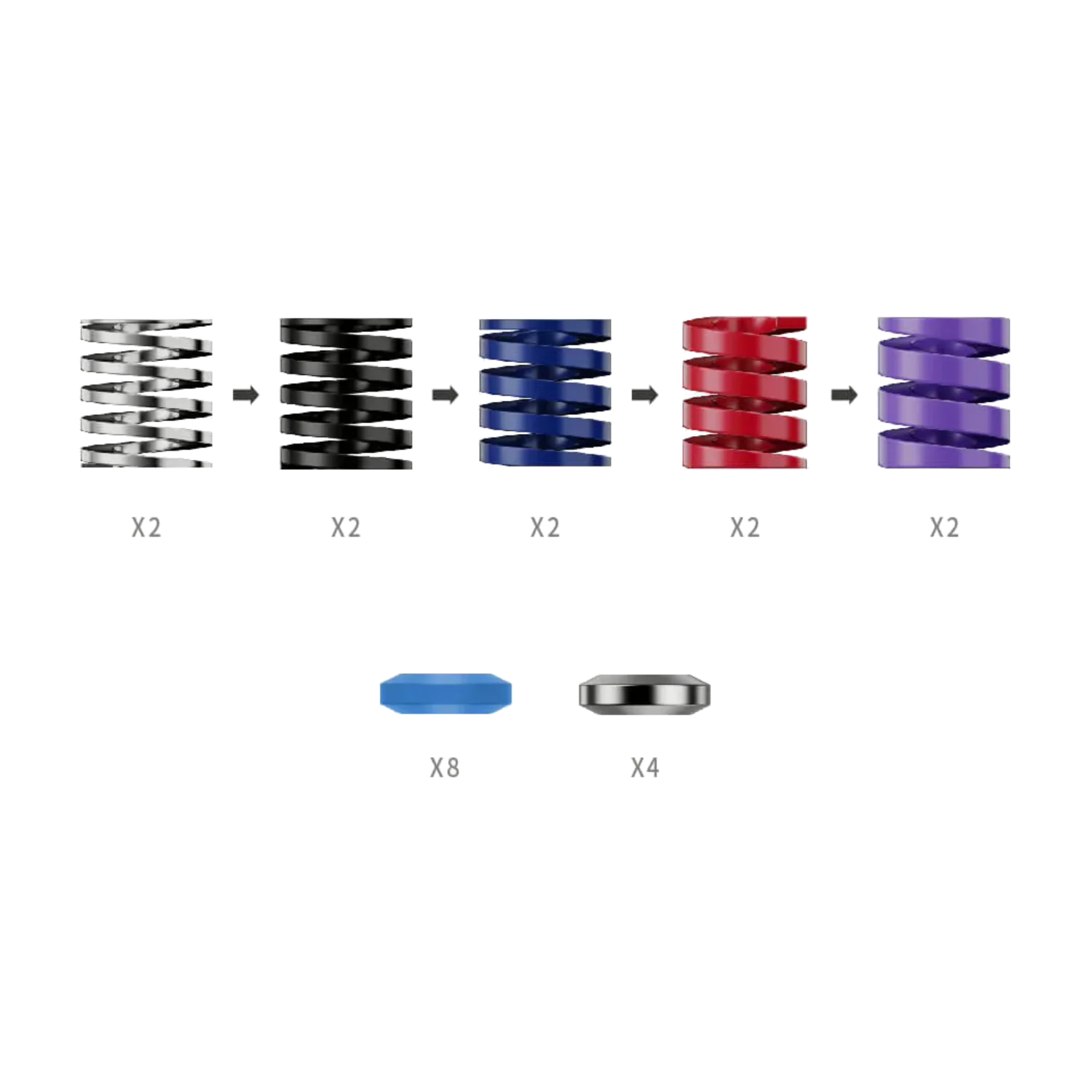
Moza Performance Kit for CRP2

Sale price€19,44Regular price €24,29
Save 20%
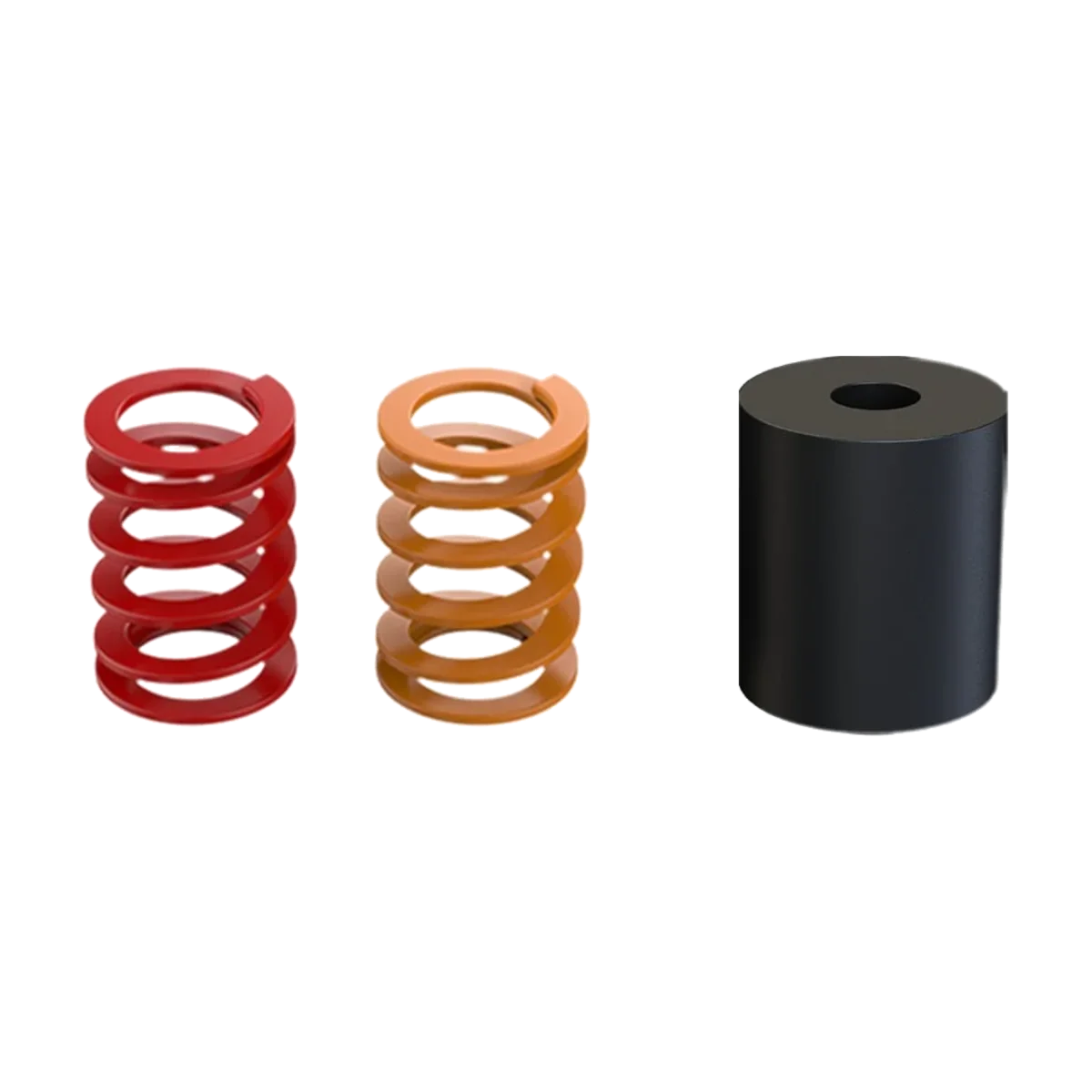
Moza SR-P Accessory Kit

Sale price€17,17Regular price €21,47

FAQs

What is a pedal baseplate for?

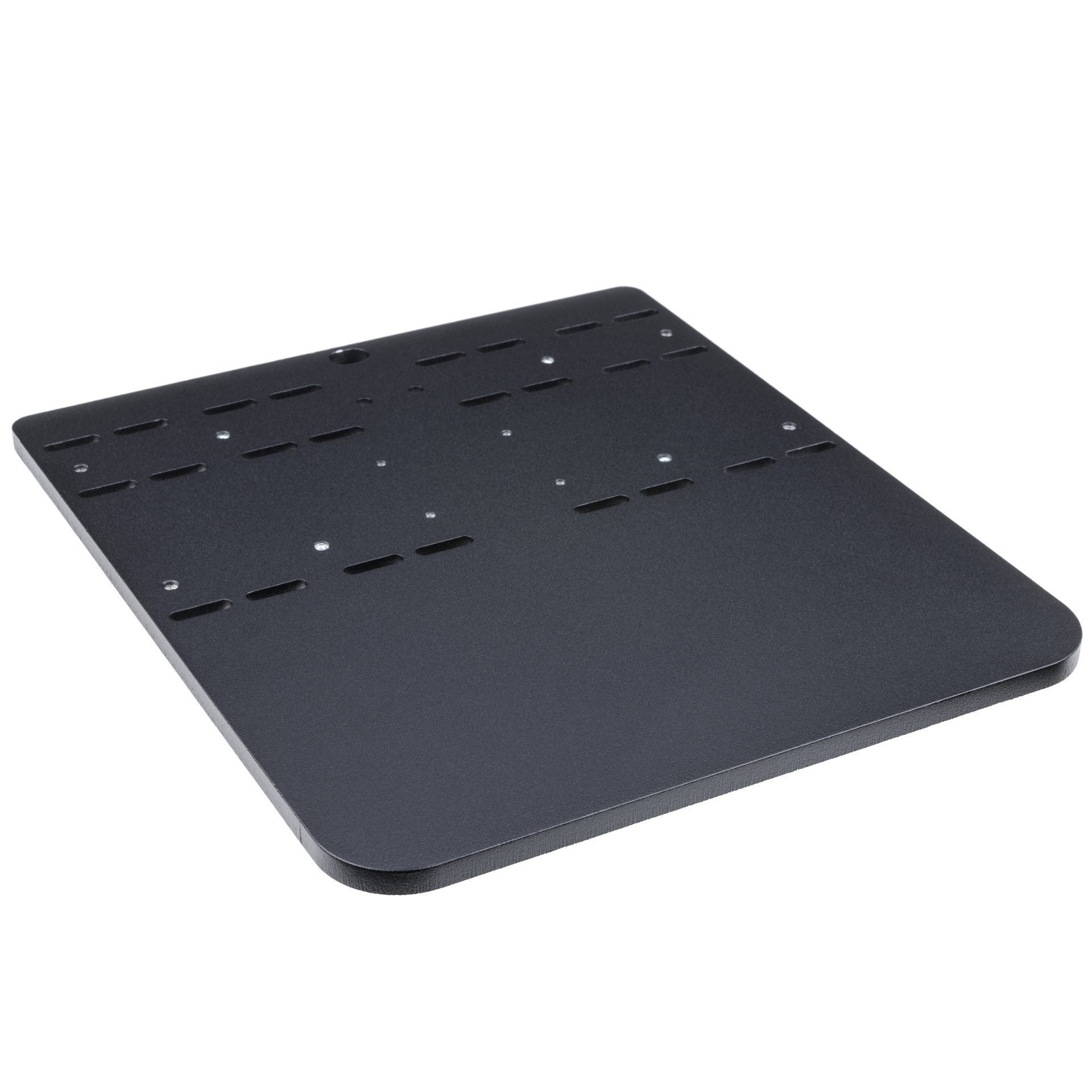
It puts all pedals on one rigid plate: spacing and angles stay locked, the whole set moves as a unit when you adjust seating position, and mixed-brand combinations (like a Simucube ActivePedal next to Heusinkveld pedals) get a common mounting standard. On strong brakes it also spreads the load across the pedal deck.

Are haptic pedal add-ons worth it?

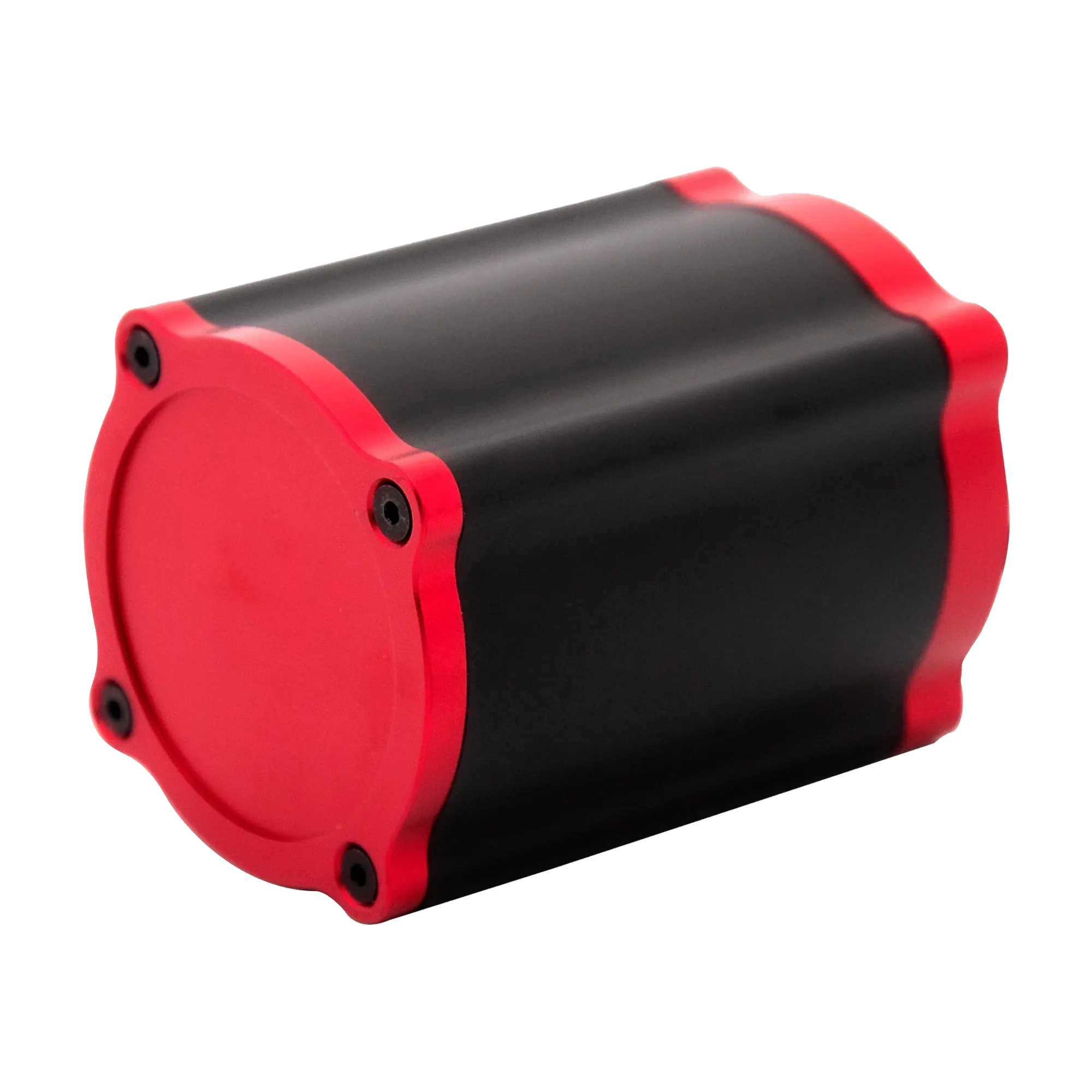
They add a genuinely useful information channel: ABS pulsing, wheel lockup and traction loss played directly into your foot, so you feel the limit instead of watching for it. Modules like the Simagic P-HPR bolt onto existing pedals - note they need their own power supply (Simagic P-APS), listed on each product page.

Can I change how my pedals feel?

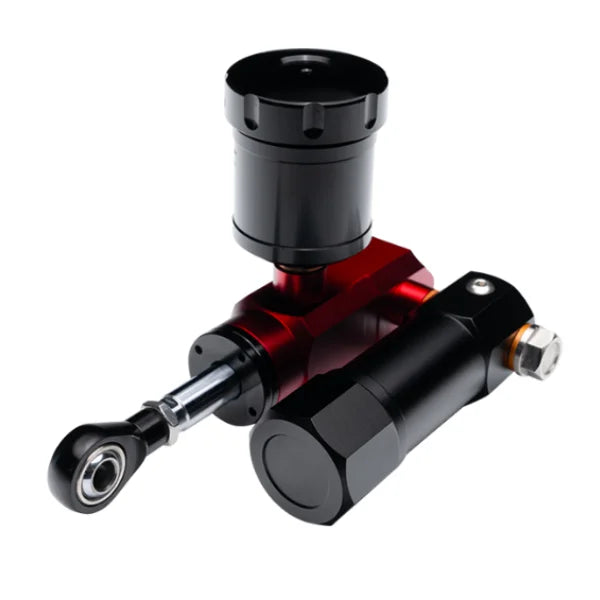
Substantially - swappable springs and elastomers change stiffness and curve shape, hydraulic upgrade kits (like the Simagic P-HYS) add real fluid damping, and travel limiters shorten the stroke to race-car proportions. Combined with software curves, the same pedal set can feel like a soft street car or a stiff GT3 - the parts here are how.

What is a heel rest and do I need one?

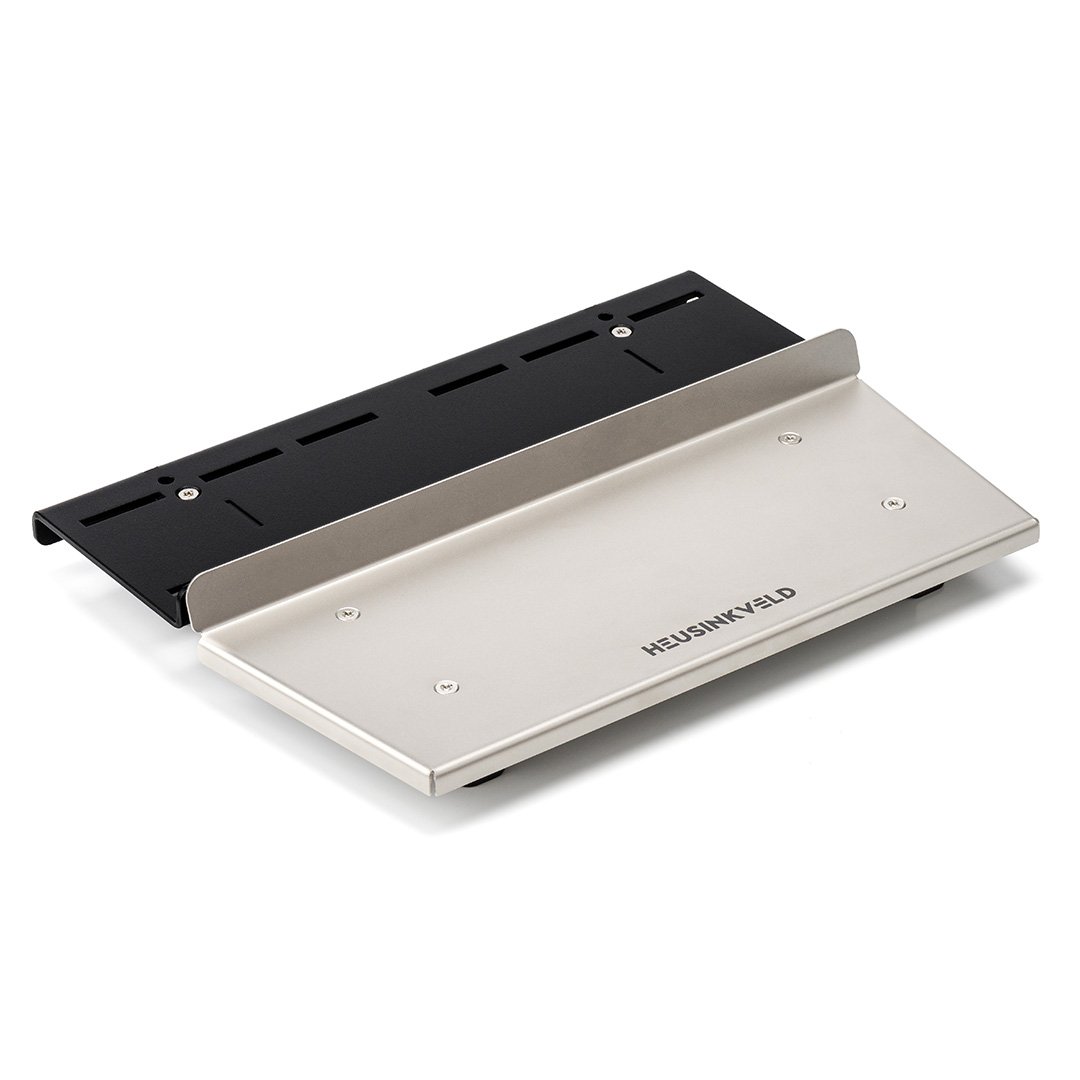
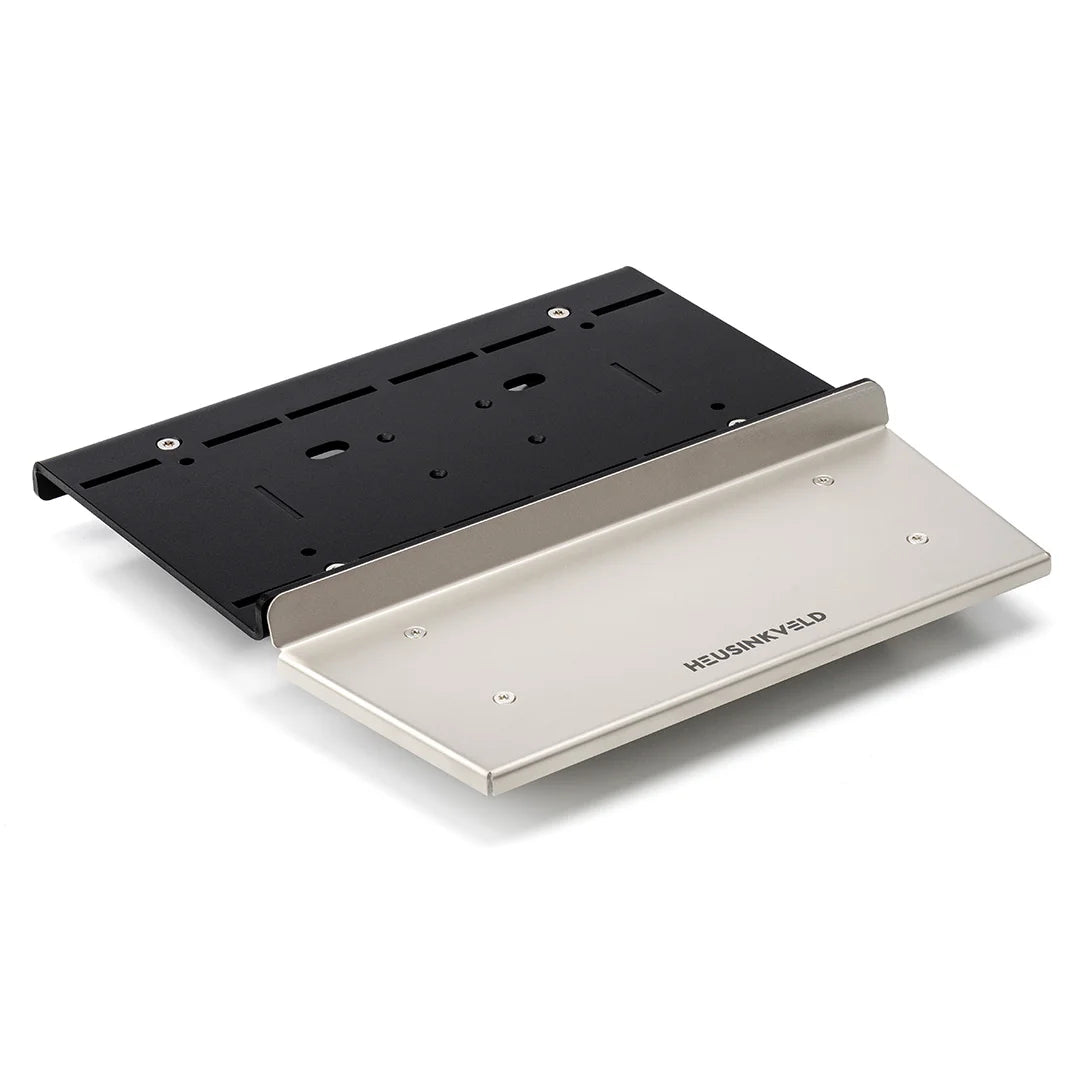
A plate under your heels that fixes your foot's pivot point - and consistent foot position is consistent braking, which is why race cars have them. Most valuable with stiff load cell brakes and for heel-and-toe technique; less critical on soft entry-level pedals.

Do pedal accessories fit across brands?

Mostly not - elastomers, springs, haptic reactors and upgrade kits are engineered for their own pedal family, so match the accessory to your exact set (each product page lists supported models). The exceptions are universal items like baseplates and heel rests, which state their compatibility ranges explicitly.