Qubic System QS-H13 seat mover - ultra-quiet operation below 58 dB(A), no floor vibration transfer

The quietest seat mover in its class

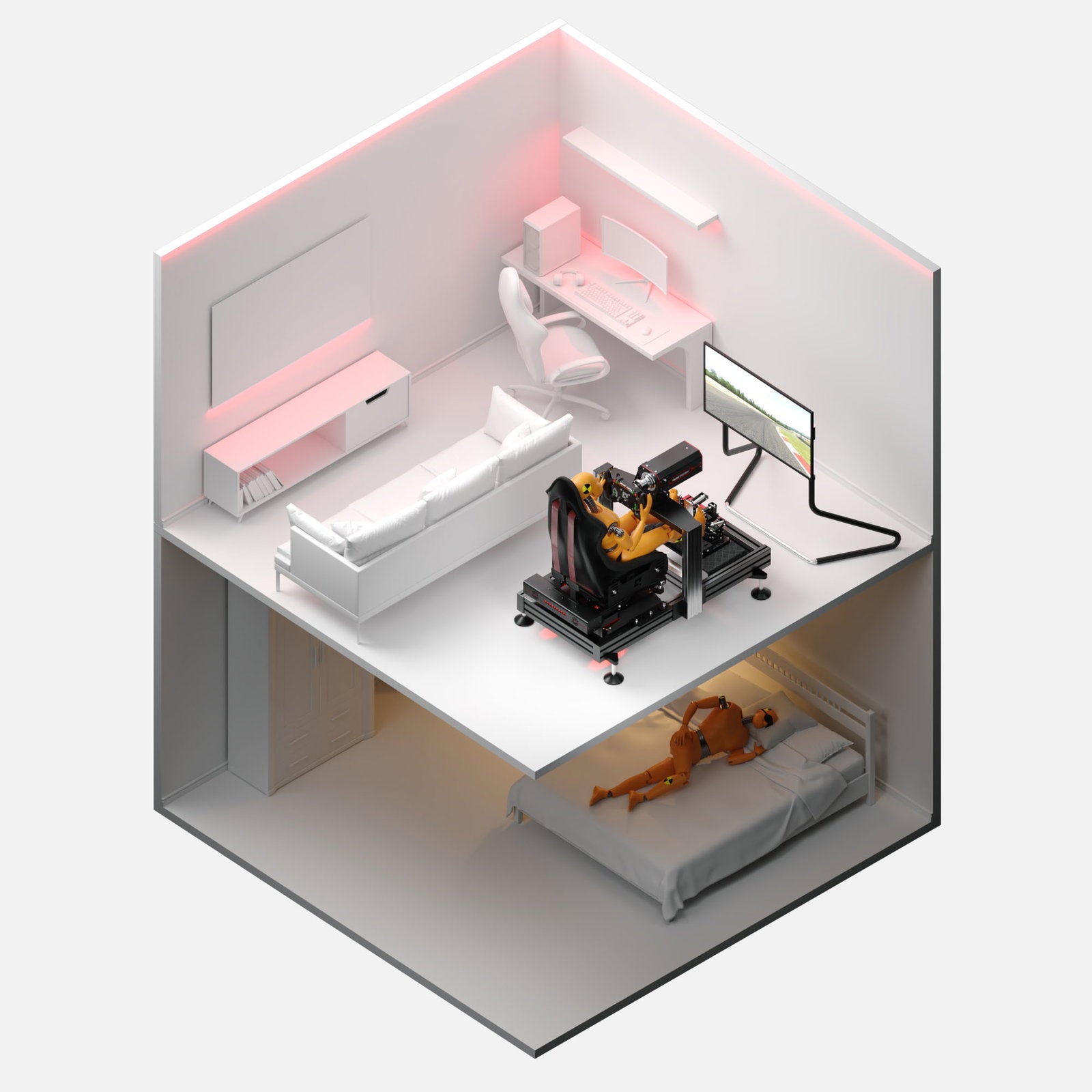
Below 58 dB(A) under normal conditions - and because the QS-H13 has no vertical up-down movement, vibrations do not transfer into the floor. The actuator architecture avoids exactly the frequency that knocks on the building structure.

The result is a motion platform you can run in an apartment, at late hours, next to a sleeping household - built on the same gearbox-free, DC-motor-free technology that makes the QS-220 actuators silent.

Load video: Qubic System QS-H13 integrated haptics demo - engine pulses, gear shifts and road texture

Built-in haptics - retire your bass shakers

Say goodbye to external bass shakers: the QS-H13 has low- and high-frequency haptics built in, transferred efficiently into the seat and cockpit hardware. Engine pulses, RPM changes and gear shifts each arrive as distinct sensations.

Road texture comes through in layers - micro-bumps, curbs and rumble strips - the class of feedback normally reserved for high-end platforms.

True G-force dynamics, 10 ms from telemetry

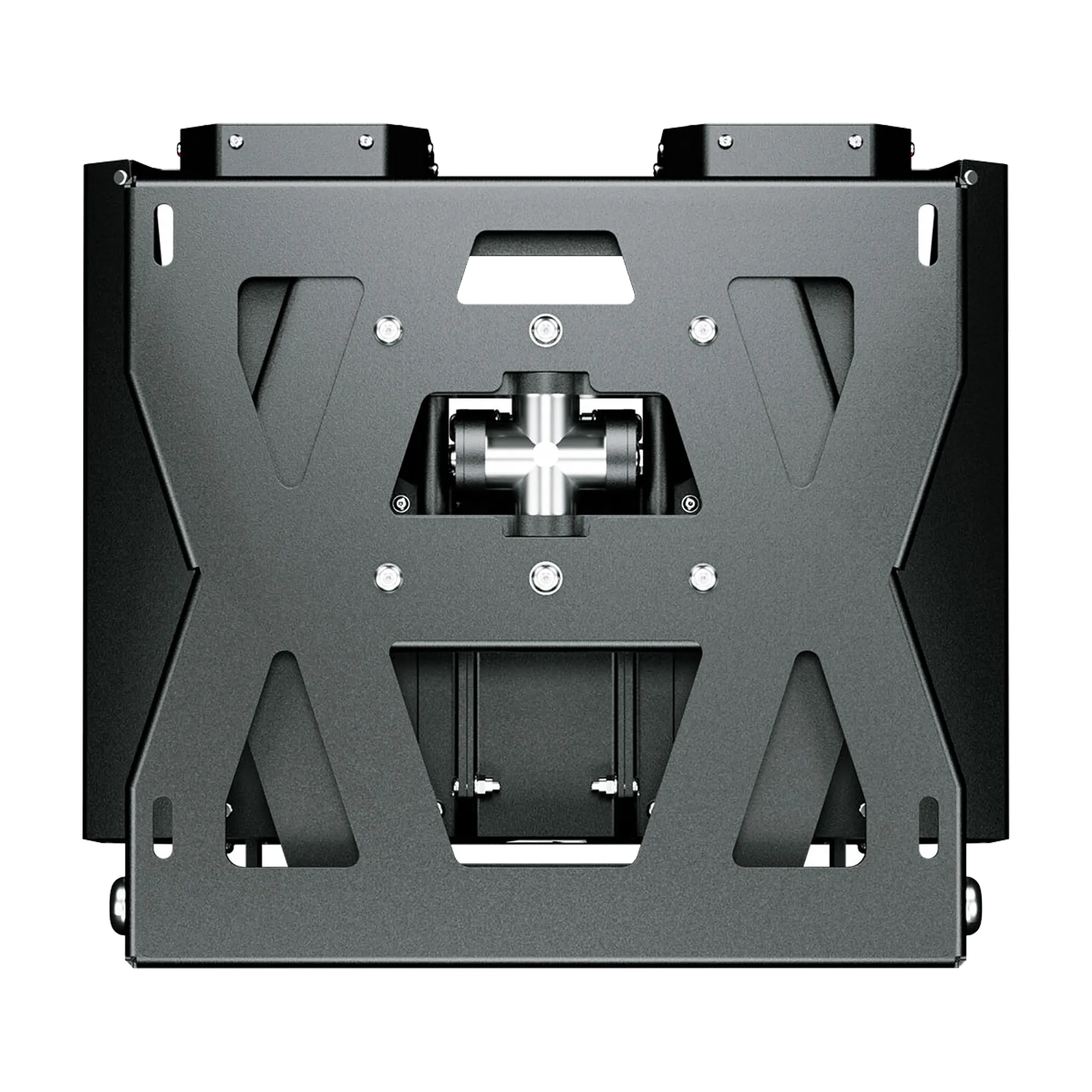
The pivot point sits deep, right under the seat - so the platform rotates the way a real car loads up, not like a see-saw. Acceleration, braking and cornering land as subtle weight shifts exactly where your body expects them.

From telemetry input to physical motion in 10 ms, on the same gearbox-free direct drive technology as the QS-220 actuators - no backlash, no DC-motor noise, no perceptible delay even in VR.

From unboxing to racing in under an hour

The QS-H13 bolts onto most aluminium profile cockpits with the included universal adapters - no drilling, no custom brackets. Mount it, connect USB and power, and download Qubic Manager using the serial number on the unit.

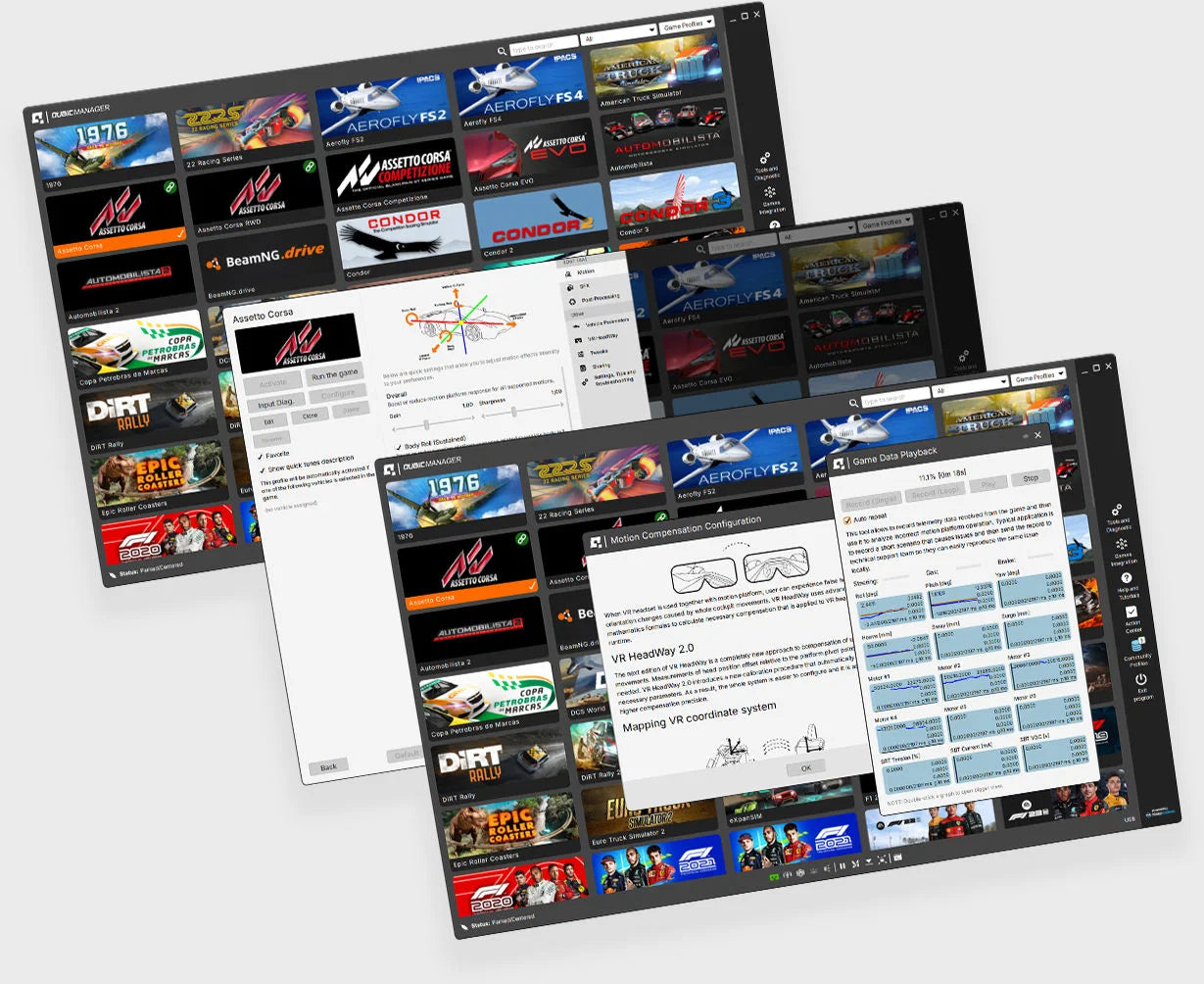
Qubic Manager is plug and play with all major racing titles on PC, and motion, bumps, roll and pitch are adjusted with a single click. VR motion compensation (HeadWay) works out of the box - no extra setup needed.

Load video: Qubic System QS-H13 assembly demo - mounting to an aluminium cockpit with QS-BT1 brackets

Add the QS-BT1 - motion plus G-force on your body

The QS-H13 replicates vehicle dynamics; the QS-BT1 belt tensioner adds the sustained G-forces on your body. Braking moves to the belts, so less travel is needed toward the steering wheel - which helps muscle memory.

What the QS-BT1 adds:

  • Pronounced acceleration effect pressed directly into your body
  • Two distinct feedback channels - forces on your shoulders vs motion through the seat

The QS-H13 ships with dedicated QS-BT1 mounting brackets, so the tensioner bolts straight onto the top frame. Qubic System QS-BT1

What our customers say about this product

FAQs

What exactly does the QS-H13 move?

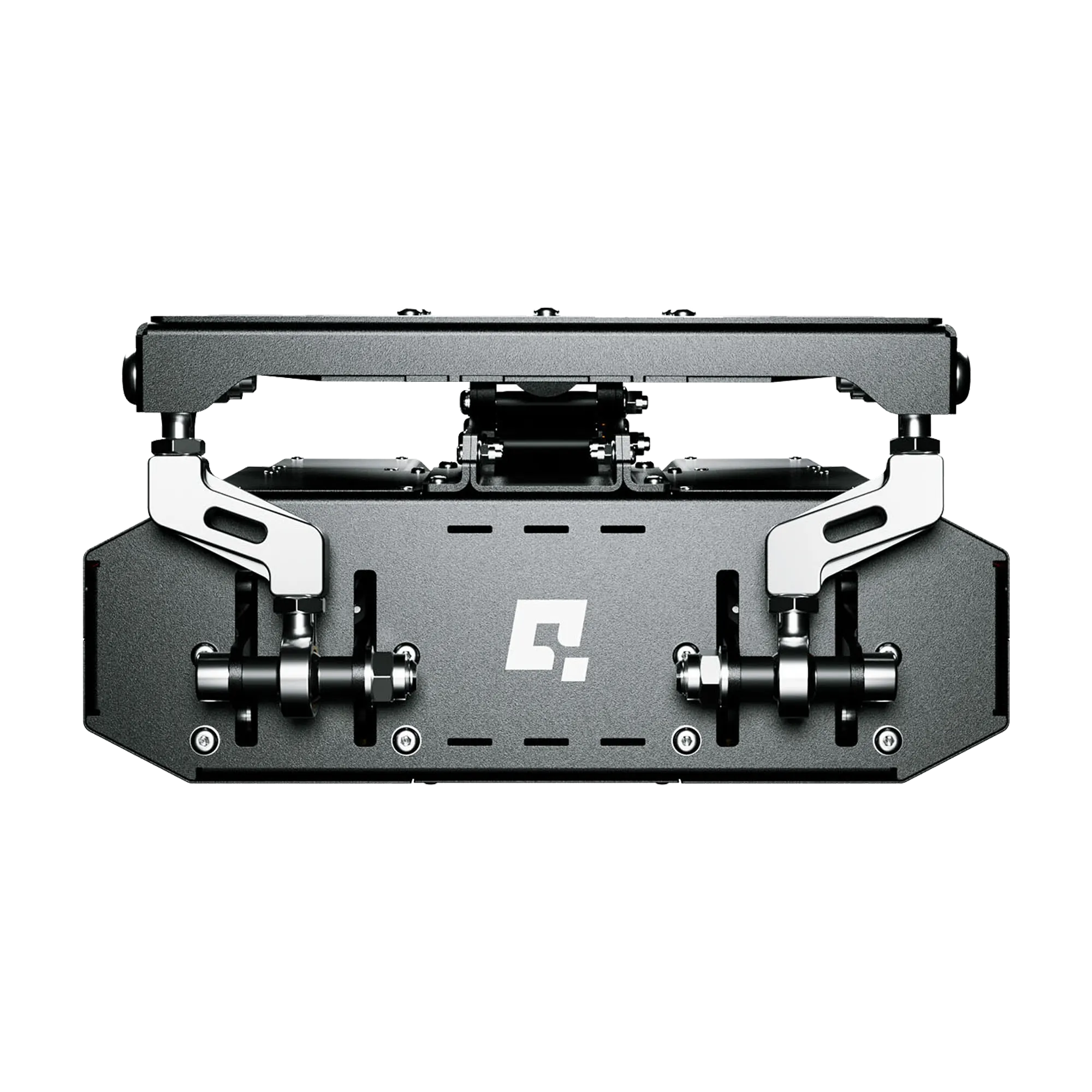
Your seat - not the whole rig. The QS-H13 is a 2DOF seat mover: it tilts the seat in pitch (braking, acceleration) and roll (cornering, body lean) while the wheel, pedals and monitors stay fixed. Your hands and feet work against stable references while your body feels the car - a philosophy many drivers genuinely prefer over full-rig motion.

How loud is it in practice?

Below 58 dB(A) under normal conditions - roughly normal conversation level, which makes it the quietest seat mover in its class and a realistic option for apartments and shared households. Combined with isolation feet under the rig, evening sessions stay neighbor-friendly.

What is the weight limit?

130 kg of user weight - the unit itself weighs 33 kg and carries the driver and seat on top. That headroom covers the vast majority of drivers with margin; the 10 ms telemetry-to-motion latency stays constant regardless of load.

Does it work for flight simulation too?

Yes - alongside the racing effects (weight transfer, wheel slip, rumble strips, engine vibration), the QS-H13 supports flight effects: roll and pitch, rotor and engine vibrations, stall shudders, even cannon fire, depending on the title. One device covers both hobbies.

What do I need to run it?

A rigid cockpit with seat mounting, a Windows PC and a mains outlet (120/230 V; note the power cord is not included - a standard C13 computer cable works). The free Qubic Manager software translates telemetry from all major sims into motion with per-game profiles. Integrated haptics are built in - no separate transducer needed for vibration effects.