

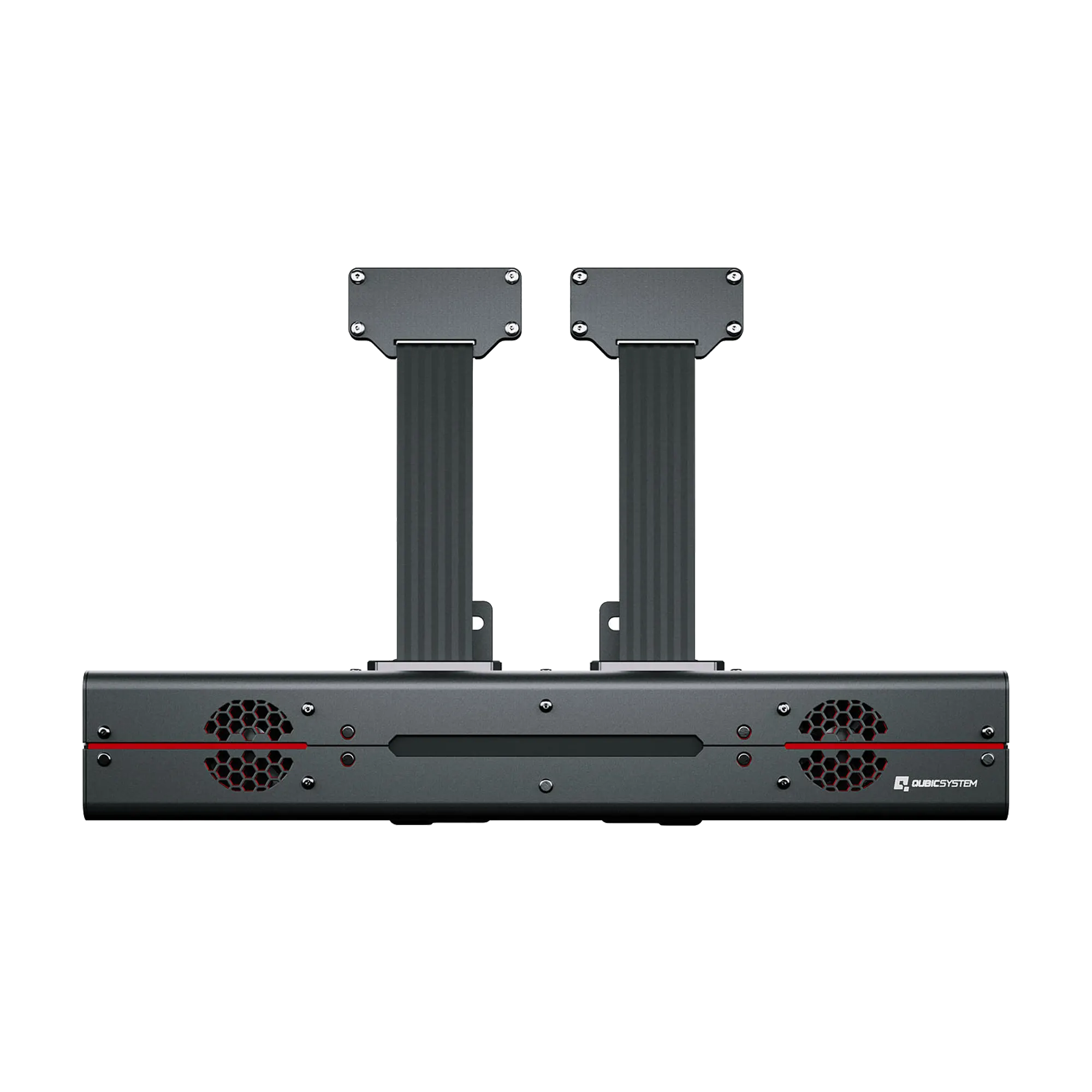
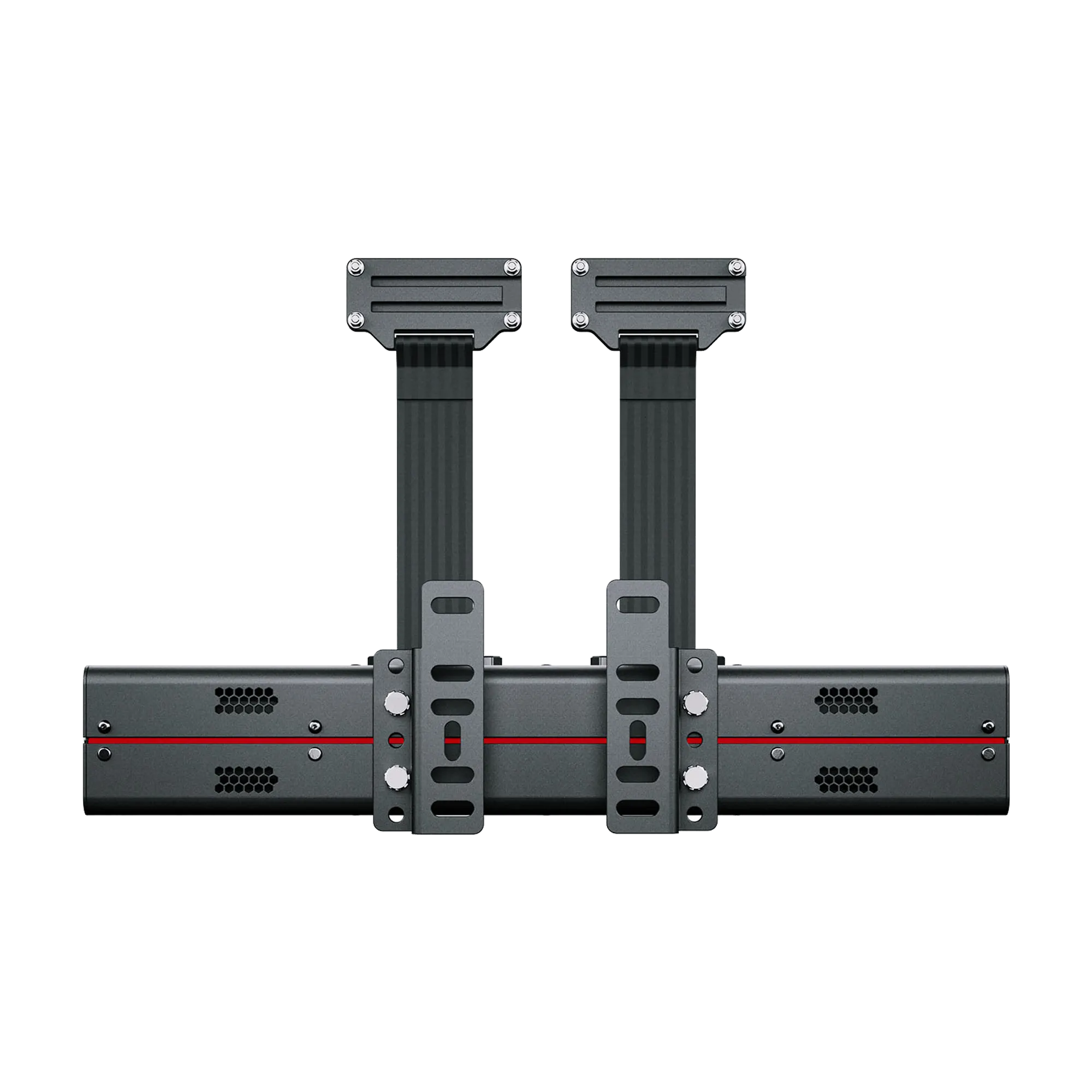
Qubic System QS-BT1 seat belt tensioner
The QS-BT1 puts sustained G-forces on your body - the one thing screens and motion platforms alone can't deliver. Two independent direct drive channels (200 N each, same technology as the QS-220) tension your harness to simulate braking, cornering, traction loss and engine vibrations - standalone or on top of a motion platform.
- 2× 200 N channels (400 N combined), 8-step plug & play setup
- Standalone, or with QS/PS/HS and Next Level Racing motion platforms
- Racing + flight sim effects, multifunctional RGB
- Designed & made in Poland, EU
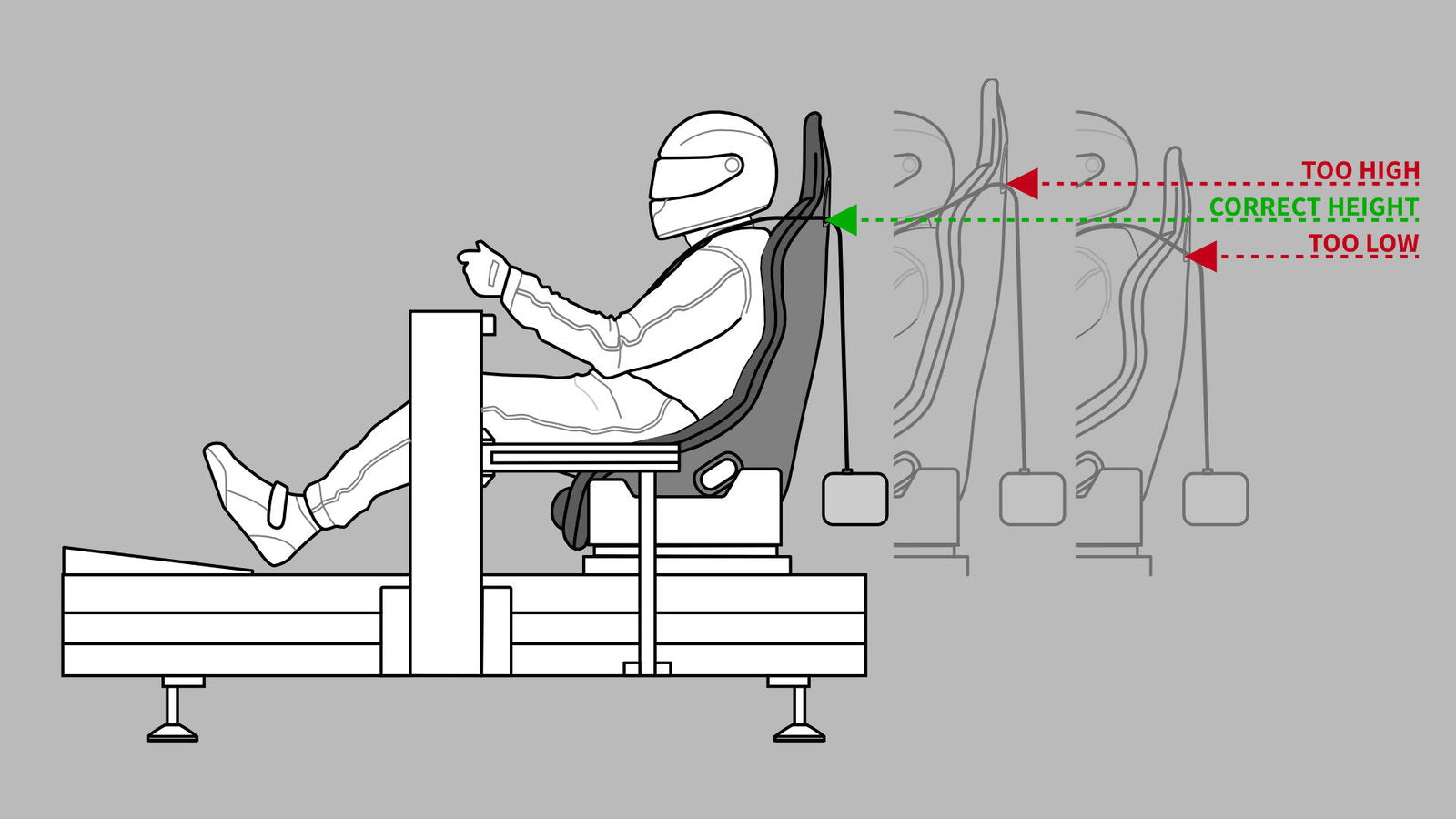
Note! Requires a bucket seat with shoulder-height belt slots and a racing harness (not included). Standalone use needs the Motion-Lock remote switch (sold separately). Runs exclusively with QubicManager/ForceSeatPM - not compatible with SimHub.

Place your order before 16:30 DHL Express, or 15:00 UPS Express Saver for next business day delivery.

FREE DHL Ecomony/UPS Standard shipping for orders over 390€ and DHL Express/UPS Express Saver over 1190€

3 year warranty. B2B too!
Shipping costs and estimated delivery time?
Manual, Downloads and Technical details
Compatibility
Warranty and returns
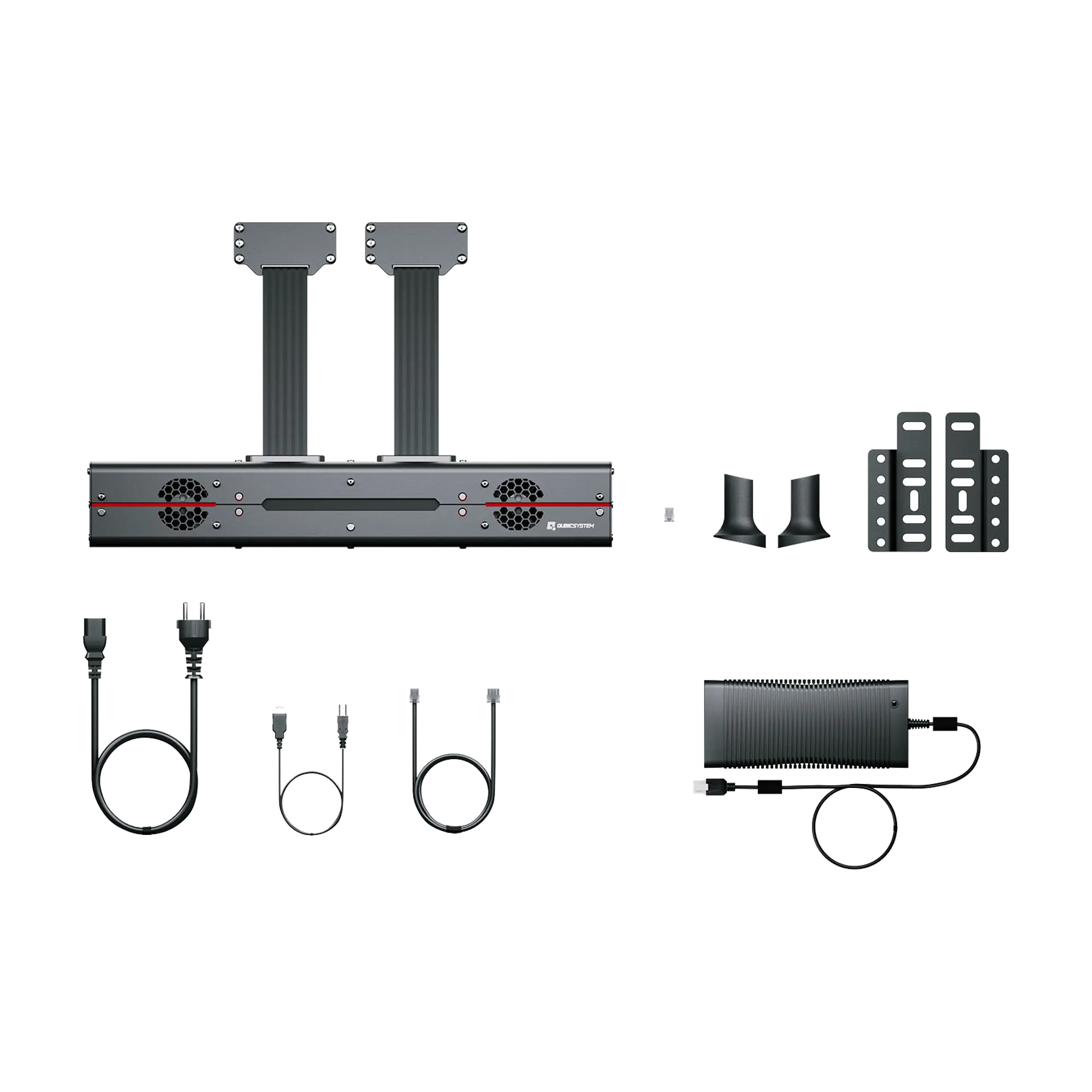
What is included?
Qubic System QS-BT1 seat belt tensioner
If you have any questions, you are always welcome to contact us. We'll get back to you as soon as possible, within 24 hours on weekdays.
-
Information
Share contact information, store details, and brand content with your customers.
-
Shipping Information
Use this text to answer questions in as much detail as possible for your customers.
-
Customer Support
Use this text to answer questions in as much detail as possible for your customers.
-
FAQ’s
Use this text to answer questions in as much detail as possible for your customers.
-
Contact Us
Use this text to answer questions in as much detail as possible for your customers.
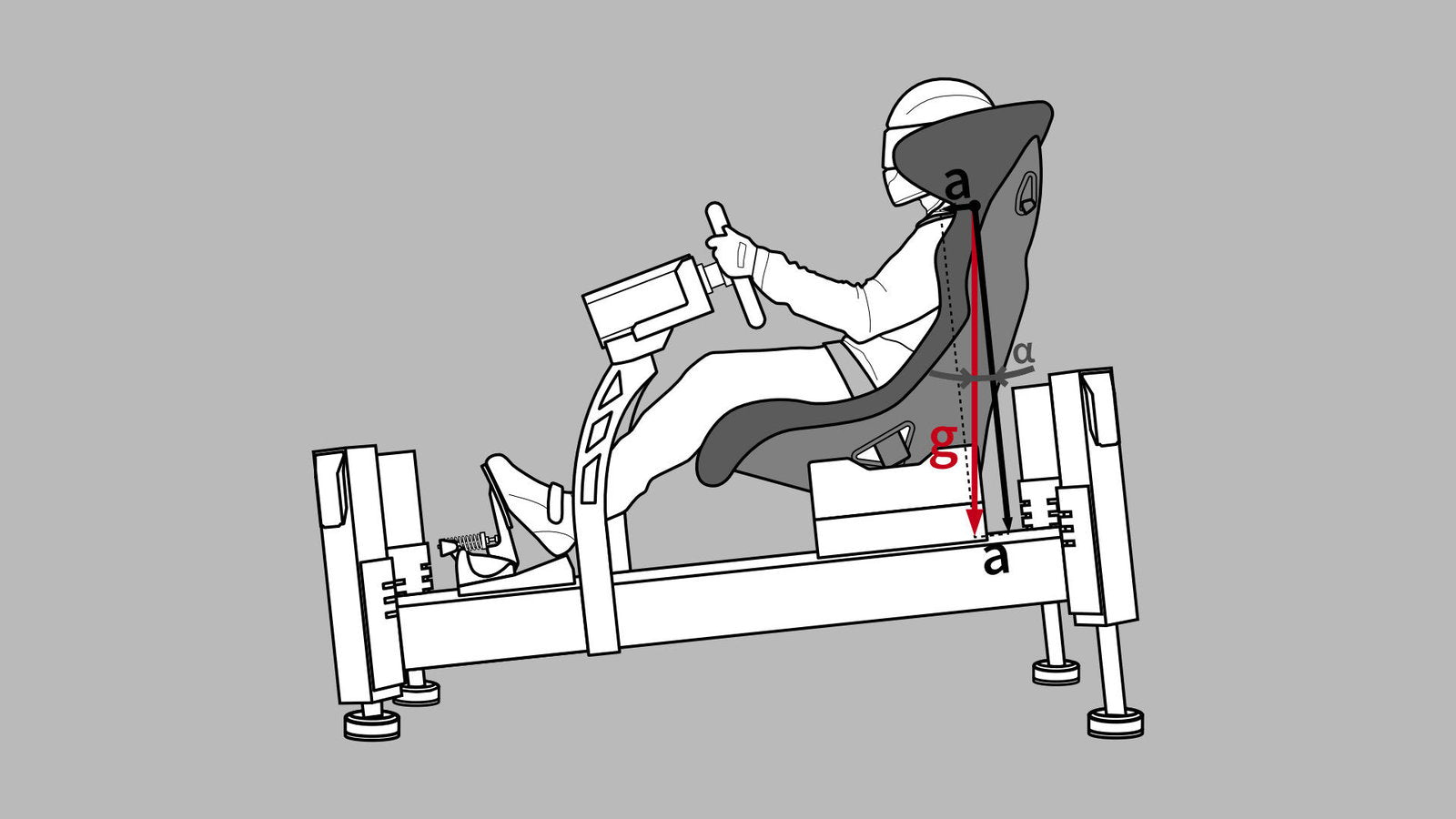
Feel the G-forces your screen can't show

Braking you can feel in your chest
Two independent channels, every direction

Little details that matter
